In today’s competitive startup ecosystem, launching a product without validation is risky and expensive. That’s why minimum viable product development has become a critical strategy in modern software development and startup growth.Whether you’re building a SaaS product, mobile app, or web platform, an MVP helps you validate ideas, reduce development cost, and achieve product-market fit faster.This complete guide explains the MVP development process, MVP strategy, MVP cost, lean startup methodology, and how to build a scalable product in 2026.
What You Will Learn in This Guide
Understanding the MVP Philosophy in Product Development
Why MVP Development Is Critical for Startups
Different Types of MVPs Explained
Step-by-Step MVP Development Process
MVP vs Full Product: Key Differences Explained
Benefits of Minimum Viable Product Development
How to Build an MVP Successfully
MVP and the Lean Startup Methodology
MMF vs MMP vs MVP: What’s the Difference?
How to Plan Your MVP Strategy
Scoping and Building Your MVP Product
No-Code vs Custom MVP Development
Managing MVP Development Costs and Risks
Common MVP Mistakes to Avoid
Final Thoughts on MVP Strategy
FAQs About Minimum Viable Product Development
Understanding the MVP Philosophy in Product Development
MVP development focuses on learning before scaling. For insights into MVP & Product Strategy services, check Codieshub MVP & Product Strategy.Instead of building a full-featured product, startups launch a simplified version to:
MVP development focuses on learning before scaling.
Why MVP Development Is Critical for Startups
Startup failure often happens because teams build products nobody wants.Here’s why minimum viable product development is critical:
Faster time to market
Lower software development cost
Reduced financial risk
Better investor confidence
Data-driven product decisions
Companies like Dropbox and Airbnb started with MVP models. Learn how Custom Web Development can accelerate your startup’s MVP: Custom Web Development.
Different Types of MVPs Explained
Choosing the right MVP model depends on your business goals.
Low-Fidelity MVP
Landing page MVP
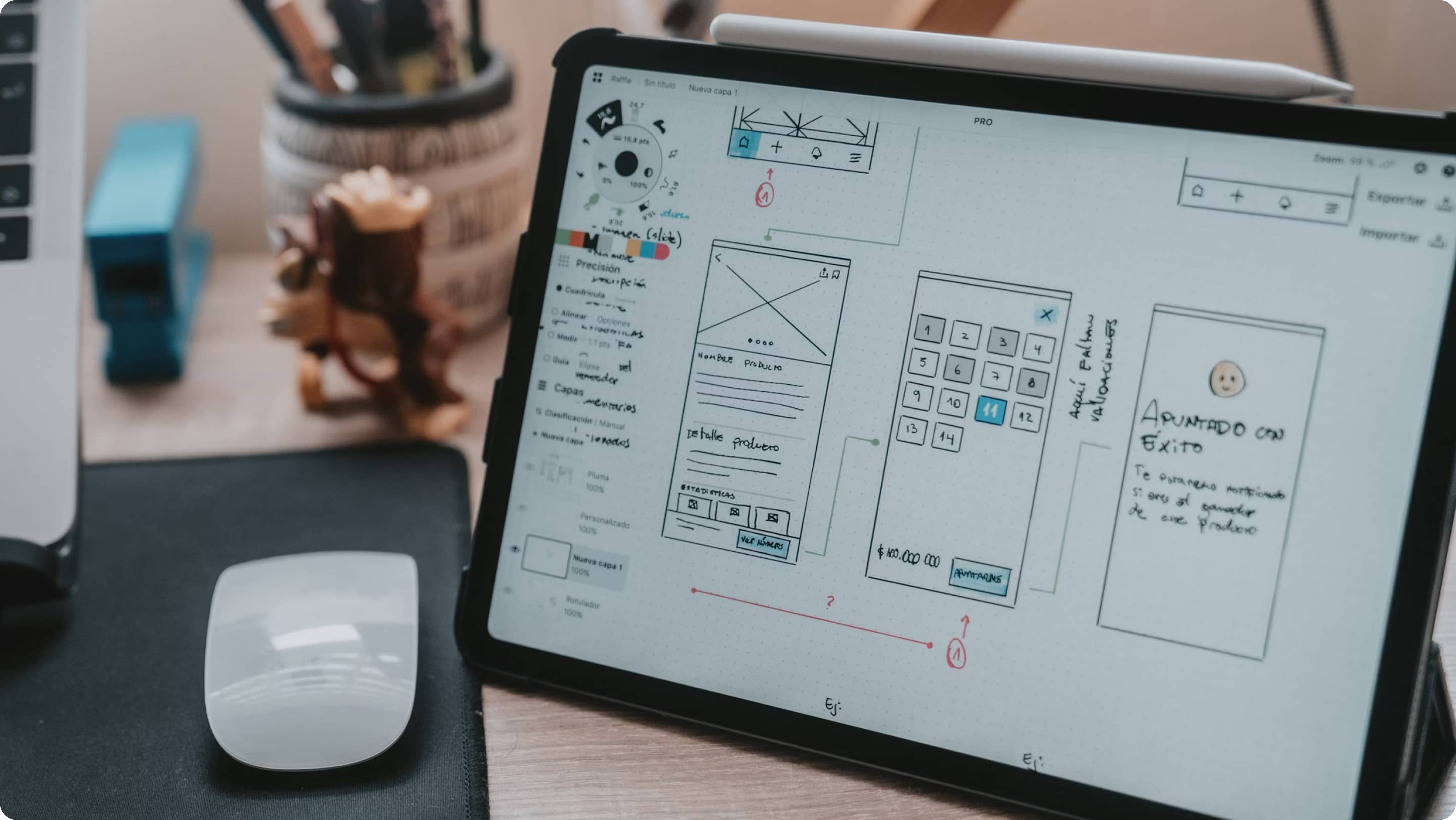
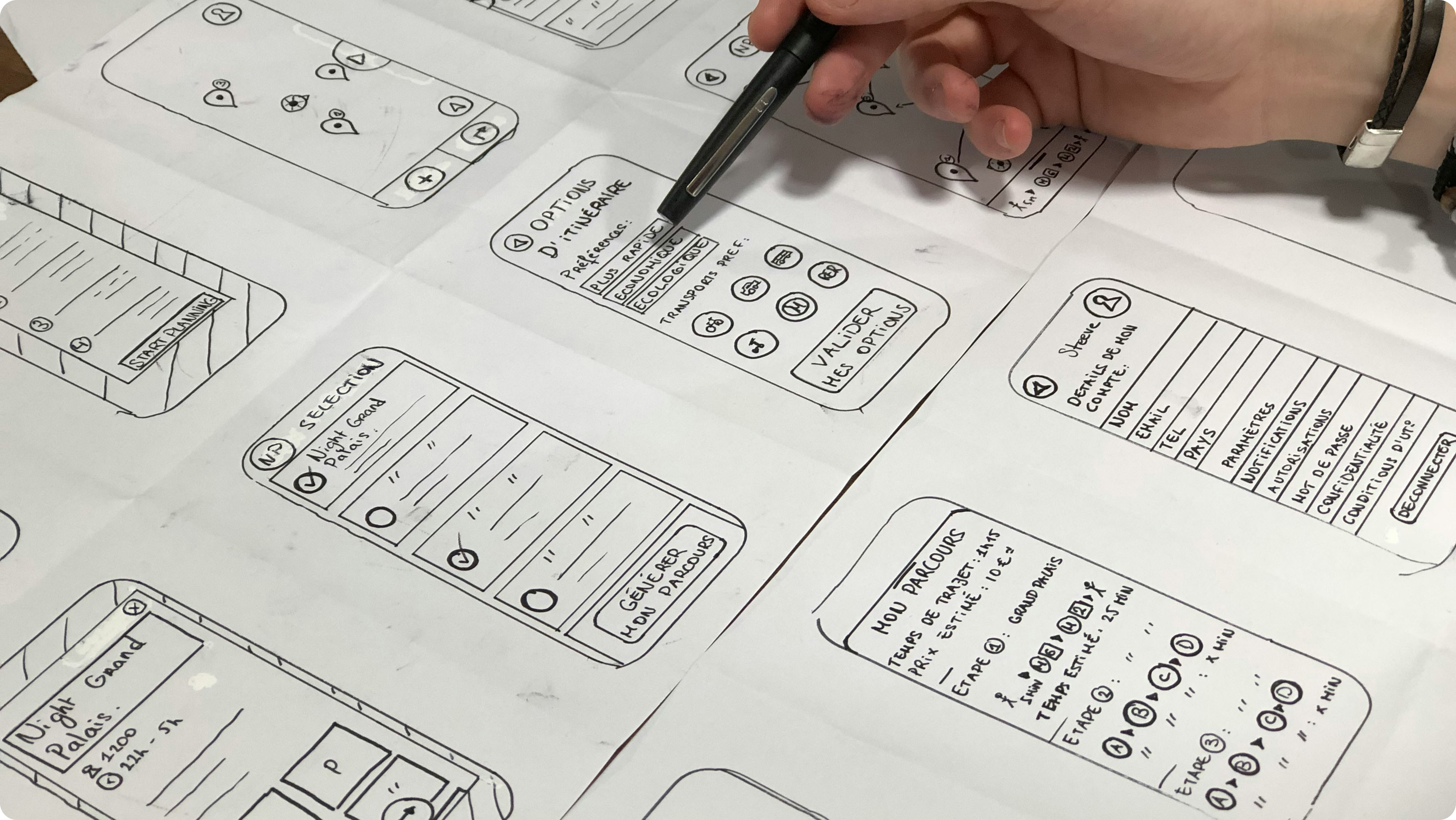
Wireframes
Clickable prototypes
Explainer videos
High-Fidelity MVP
Functional SaaS MVP
Web app MVP
Mobile app MVP
Concierge MVP - Manual service before automation.
Wizard of Oz MVP - Looks automated, but is operated manually behind the scenes.
Step-by-Step MVP Development Process
Using agile methodology and prototypes is essential. Explore UI/UX Design for creating seamless user experiences during MVP development.
Market Research - Conduct competitor analysis and identify user pain points.
Define Core Features - Prioritize must-have features only.
Create Product Roadmap - Outline development phases and KPIs.
Design UI/UX - Focus on user experience and usability.
Agile Development - Use sprint-based development cycles.
Launch & Validate - Collect real-world user feedback and analytics.
Iterate and Scale - Improve based on performance data.
MVP vs Full Product: Key Differences Explained
AspectMVPFull ProductFunctionalityCore functionalityAdvanced featuresPurposeBuilt for validationBuilt for scalingDevelopment CostLower development costHigher investmentTime to MarketFaster launchLonger timelineScopeLimited scopeComprehensive solutionRisk LevelLower riskHigher risk
Planning for scalable architecture? Discover SaaS Solutions for building long-term software products.
Benefits of Minimum Viable Product Development
High-search related keywords included: product validation, startup product development, agile software development, SaaS MVP.Key benefits:
Faster product validation
Reduced development time
Lower product development cost
Improved product-market fit
Better scalability planning
How to Build an MVP Successfully
To build a successful MVP:
Identify a clear target audience
Focus on solving one main problem
Use agile software development
Track key performance indicators (KPIs)
Collect continuous feedback
Tracking KPIs and user feedback is critical. For intelligent data-driven features, check AI & ML Solutions.
MVP and the Lean Startup Methodology
The Lean Startup methodology emphasizes rapid experimentation.Core cycle:
This reduces waste and increases long-term product scalability.
MMF vs MMP vs MVP: What’s the Difference?
Many founders confuse these terms:
MVP (Minimum Viable Product) - Basic version for validation
MMF (Minimum Marketable Feature) - Smallest feature that delivers value
MMP (Minimum Marketable Product) - Product ready for market revenue
Understanding these differences improves product strategy.
How to Plan Your MVP Strategy
Planning includes:
Market research
Competitive analysis
Feature prioritization
Budget estimation
Development timeline
Risk assessment
A solid MVP strategy reduces uncertainty and improves execution.
Scoping and Building Your MVP Product
Product scoping defines:
Core functionality
Technical stack
Backend architecture
Scalability requirements
Good scoping prevents scope creep and unnecessary expenses.
No-Code vs Custom MVP Development
No-Code MVPCustom MVP DevelopmentFaster launchScalable architectureLower initial costFull controlLimited scalabilityBetter performance and long-term growth potential
Considering custom solutions? Learn more about Mobile App Development for scalable and high-performing MVP apps.
Managing MVP Development Costs and Risks
Average MVP development cost in 2026:
$10,000 - $50,000 for startups
Higher for enterprise SaaS platforms
To reduce risk:
Common MVP Mistakes to Avoid
Final Thoughts on Minimum Viable Product (MVP) Strategy
In 2026, minimum viable product development is no longer optional; it is a critical strategy for startup success and product innovation. Startups that validate ideas early through MVP development can:
Save money by avoiding unnecessary full-scale development
Launch faster with a lean, functional product
Attract investors by demonstrating market validation
Scale sustainably based on real user feedback
Smart founders understand that building an MVP is about more than just creating a product; it is about validating assumptions, iterating quickly, and aligning with modern agile software development and lean startup methodology practices.MVPs are a bridge to long-term success. Explore Industries to see how MVPs are applied across healthcare, fintech, logistics, and more.By leveraging minimum viable product development, startups can reduce business risk, improve product-market fit, and accelerate growth in competitive markets.Let’s discuss your MVP needs. Schedule a Call and get started.
FAQs About Minimum Viable Product (MVP) Development
What is a Minimum Viable Product (MVP) in software development?
A Minimum Viable Product (MVP) is the simplest version of a product that includes only core features needed to solve a specific problem and test market demand. It allows startups and businesses to validate ideas, gather real user feedback, and reduce development costs before building a full-scale product.
Why is MVP development important for startups?
MVP development helps startups launch faster, validate product-market fit, and reduce financial risk. By releasing a functional version early, startups can learn from real users, make data-driven improvements, and attract potential investors with proof of concept.
How long does it take to build an MVP?
The timeline for MVP development typically ranges from 4 to 12 weeks, depending on complexity, platform (web, mobile, or SaaS), and whether you use no-code or custom development. Agile methodology ensures continuous iteration and faster validation.
What is the cost of developing an MVP?
Developing a minimum viable product usually costs between $10,000 and $50,000 for startups. Costs vary based on functionality, design complexity, platform, and whether you use custom development or no-code tools.
Should I choose no-code or custom development for my MVP?
Choosing between no-code and custom MVP development depends on your budget, scalability needs, and long-term goals. No-code platforms allow faster and cheaper MVP creation, while custom development provides more flexibility, control, and better long-term scalability.
How does an MVP help achieve product-market fit?
An MVP allows startups to test core features with real users, gather feedback, and iterate. This helps businesses refine their product until it meets market needs, ensuring higher adoption rates and reducing the risk of product failure.
What comes after launching an MVP?
After MVP launch, businesses should collect user feedback, analyze metrics, iterate on features, and gradually scale to a full product. This process ensures that development resources are focused on features that customers actually want, improving ROI and long-term growth.











 AI & ML


