Custom Next.js Software Services Development Company
Server-rendered Next.js applications with the App Router, React Server Components, and edge deployment. Built for SEO, performance, and the DX that keeps your team shipping.
Full-stack apps using React Server Components, streaming, and partial prerendering.
Content platforms with static generation, ISR, sitemaps, and structured-data metadata APIs.
Vercel, Cloudflare, and self-hosted Next.js with edge middleware for auth and A/B testing.
Server Actions and Route Handlers for forms, auth, and integrations — no separate backend needed.
Conversion-focused marketing sites with Tailwind, MDX, and CMS integrations like Sanity and Contentful.
Feature flags, A/B testing, and personalization via middleware, cookies, and RSC composition.
Next.js has become the default framework for serious React applications — not because it's fashionable, but because its App Router model, server components, and incremental static regeneration solve real problems that teams building content-heavy SaaS products and marketing-led B2B platforms encounter at scale. Core Web Vitals, SEO indexability, time-to-first-byte, and the architectural split between server and client rendering boundaries are decisions that compound into significant business outcomes. Codieshub has been building production Next.js applications since the framework's early Pages Router era, and our teams have navigated every major architectural shift since.
Our frontend engineers are fluent in the full Next.js surface area: App Router layouts and nested route segments, React Server Components with proper client boundary isolation, Streaming and Suspense for progressive page loading, Route Handlers replacing legacy API routes, and the integration patterns that connect Next.js to backend services without creating accidental client-side data exposure. We also specialize in performance work — auditing existing Next.js codebases where bundle sizes have crept up, rendering strategies have been misapplied, or image optimization has been bypassed.
For startups launching their first product and for established teams migrating from Pages Router to App Router, Codieshub brings opinionated, senior-level guidance. We don't just write Next.js — we architect it to handle growth, localization, and feature velocity without rewrites.
Next.js gives teams enough rope to build themselves into a corner. Common patterns we encounter when auditing existing codebases: oversized client component trees that nullify server rendering benefits, middleware chains that execute on every request without edge-compatible constraints, ISR configurations that cache stale content longer than product teams realize, and monolithic page components where co-locating server and client logic has created untestable, fragile code. These patterns are individually survivable but compound into poor Lighthouse scores, slow TTFB on dynamic pages, and deployment bundle sizes that hurt cold start performance on serverless infrastructure.
Codieshub Next.js projects are structured around a rendering strategy document before a line of code is written: each route segment's rendering mode (static, dynamic, streaming, or ISR) is decided based on content freshness requirements and personalization needs, not framework defaults. Server-client boundaries are drawn deliberately, data fetching co-located with the server components that own it, and Suspense boundaries placed where loading states are meaningful to users rather than technically convenient. We pair this with a TypeScript-strict approach, component testing with React Testing Library, and end-to-end testing on Playwright for critical user flows.
Next.js applications built or refactored by Codieshub target 90+ Lighthouse performance scores, with TTFB under 200ms for statically generated and ISR-cached pages and full interactivity under two seconds on mid-range mobile devices — we treat these as engineering targets, not aspirations, and audit against them before delivery. Route segment isolation and server component architecture create natural ownership boundaries that let distributed teams ship features in parallel with less coordination overhead. SEO-dependent pages are built with structured data, canonical tags, and Open Graph metadata in the component architecture from the start — not retrofitted after a ranking audit.
Speak with a senior Next.js engineer about your architecture in 48 hours.
The Work
Archive · 2016 → 2026
Browse all 35 cases→
Real Estate
PropTech Platform for Marketplace Homes
Eddy
Education
EdTech SaaS for Eddy
Blendjet
E-commerce
Global E-commerce Funnels for Blendjet
RSVLTS
E-commerce
E-commerce Platform for RSVLTS
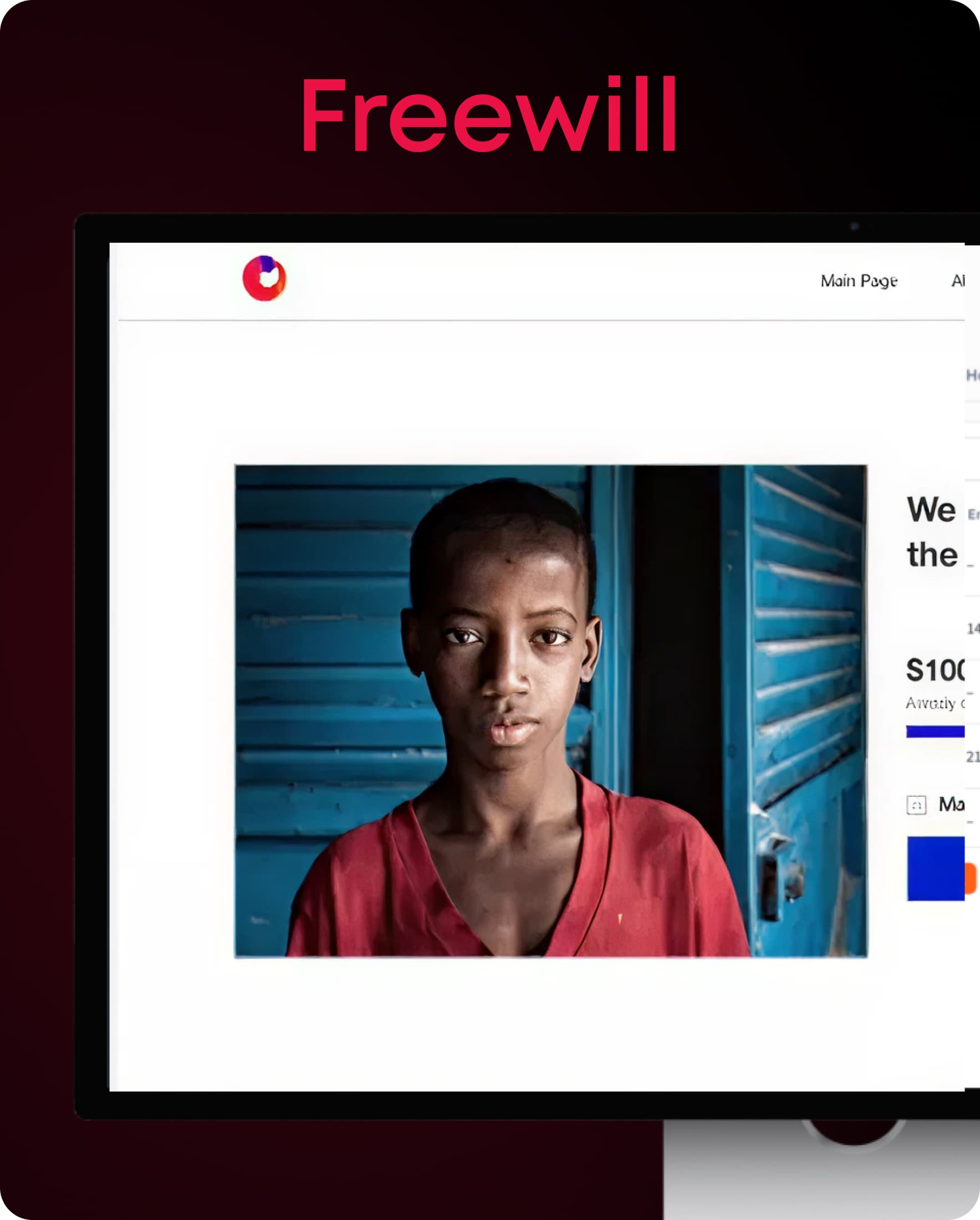
Freewill
Blockchain
Blockchain Social-Good SaaS for Freewill
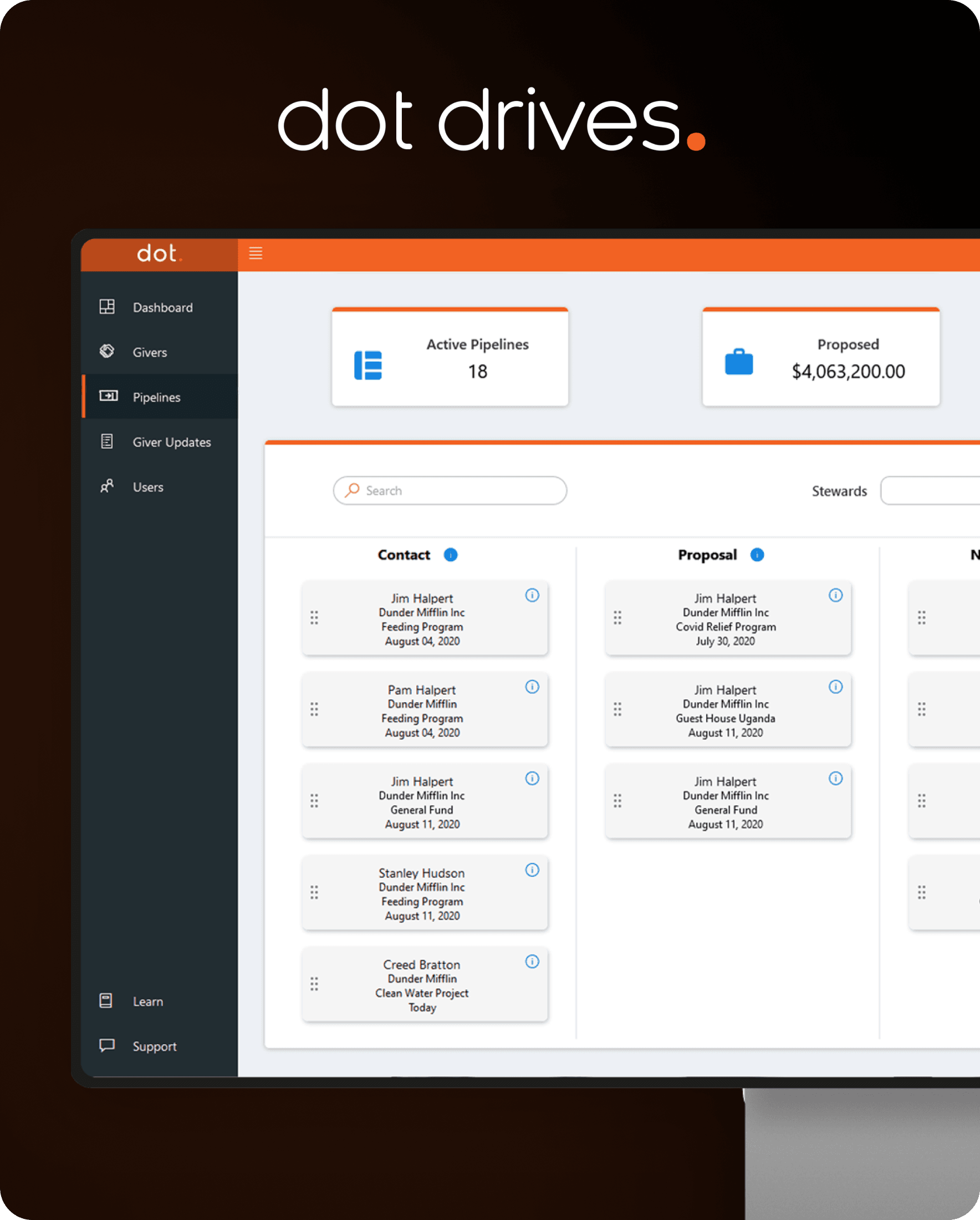
Dot Drive
Fintech
Fintech Web Product for Dot Drive
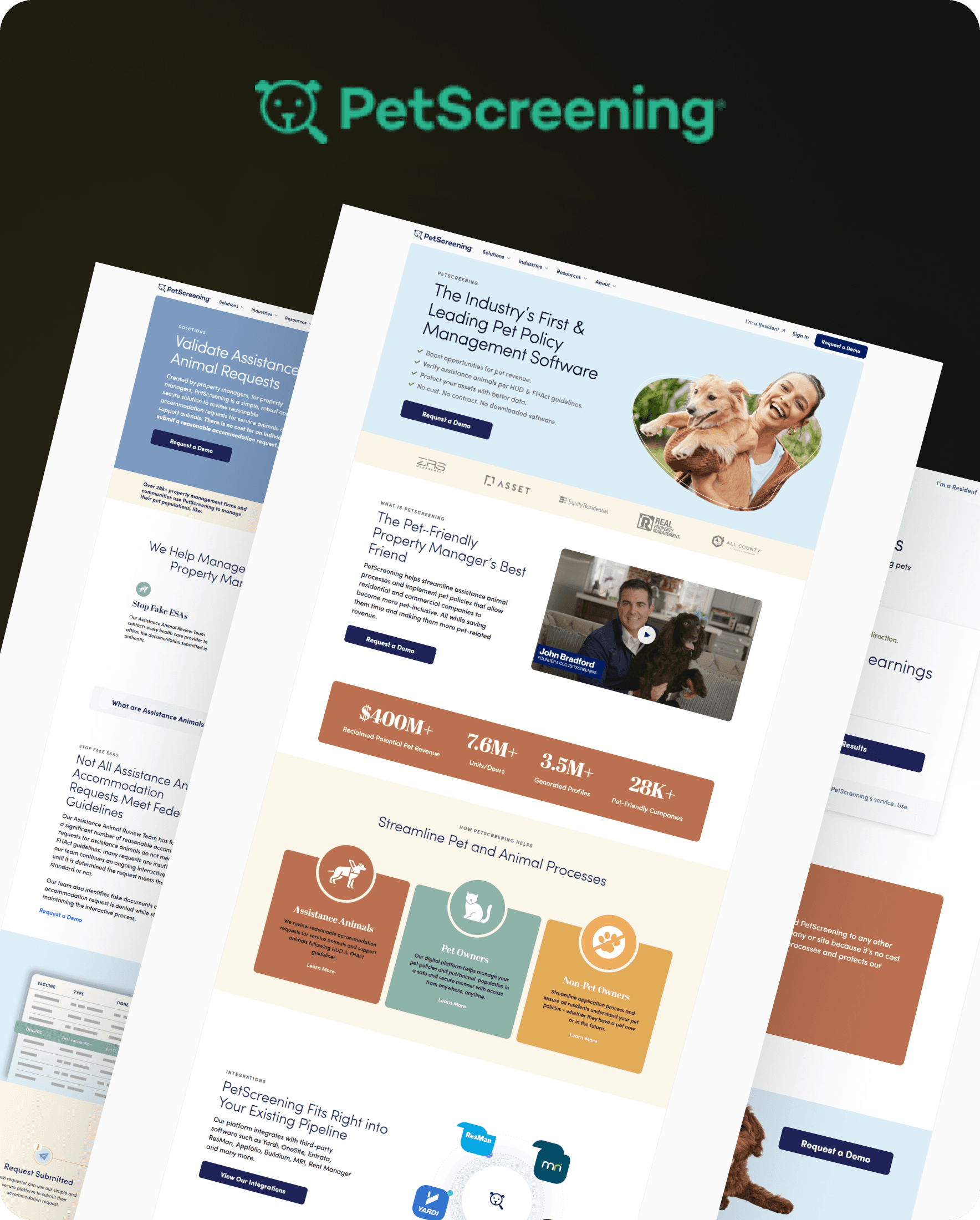
PetScreening
Real Estate
SaaS Platform That Scaled to 21% MoM Growth
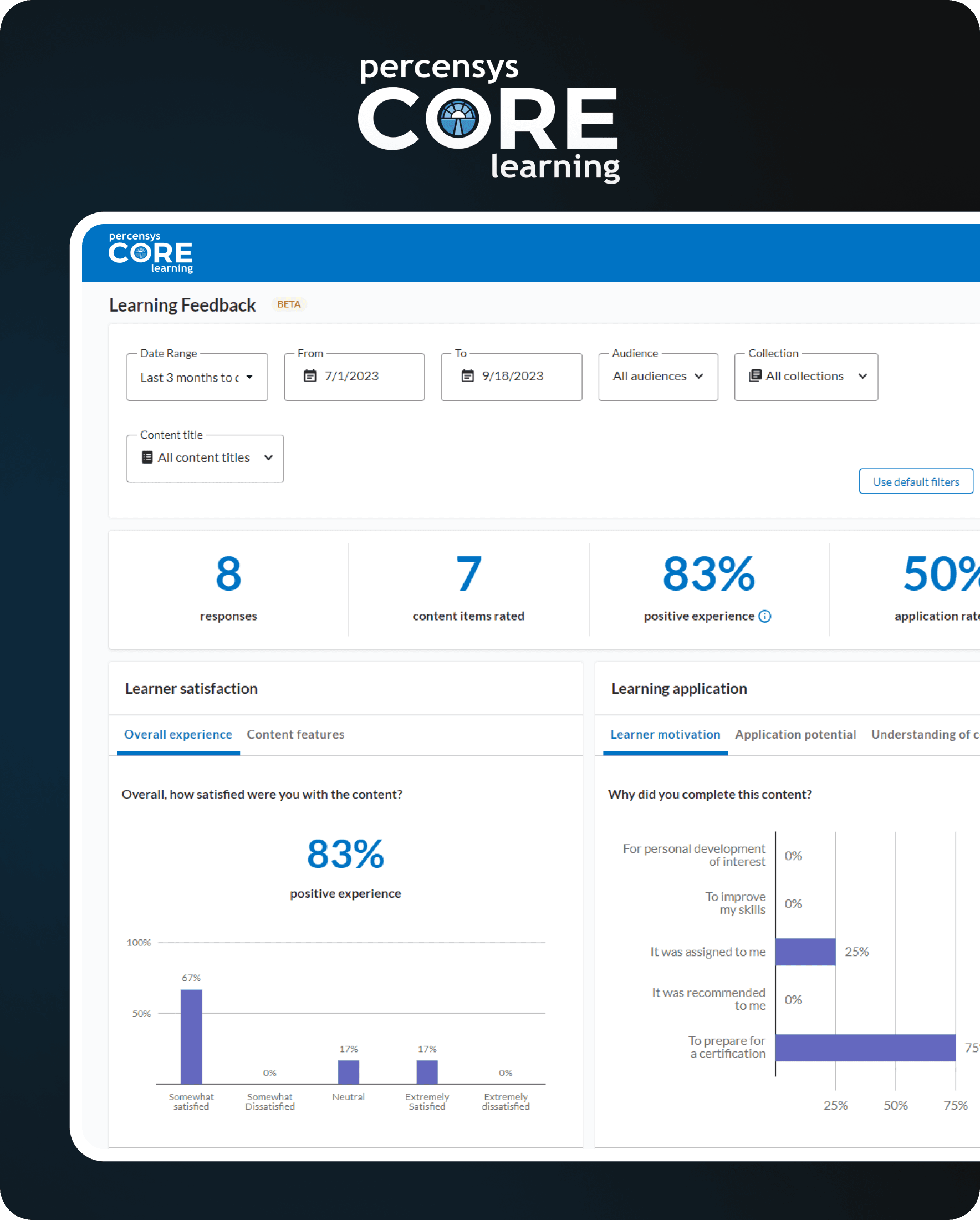
Percensys Core Learning
Education
Learner & Admin Workflows for Percensys
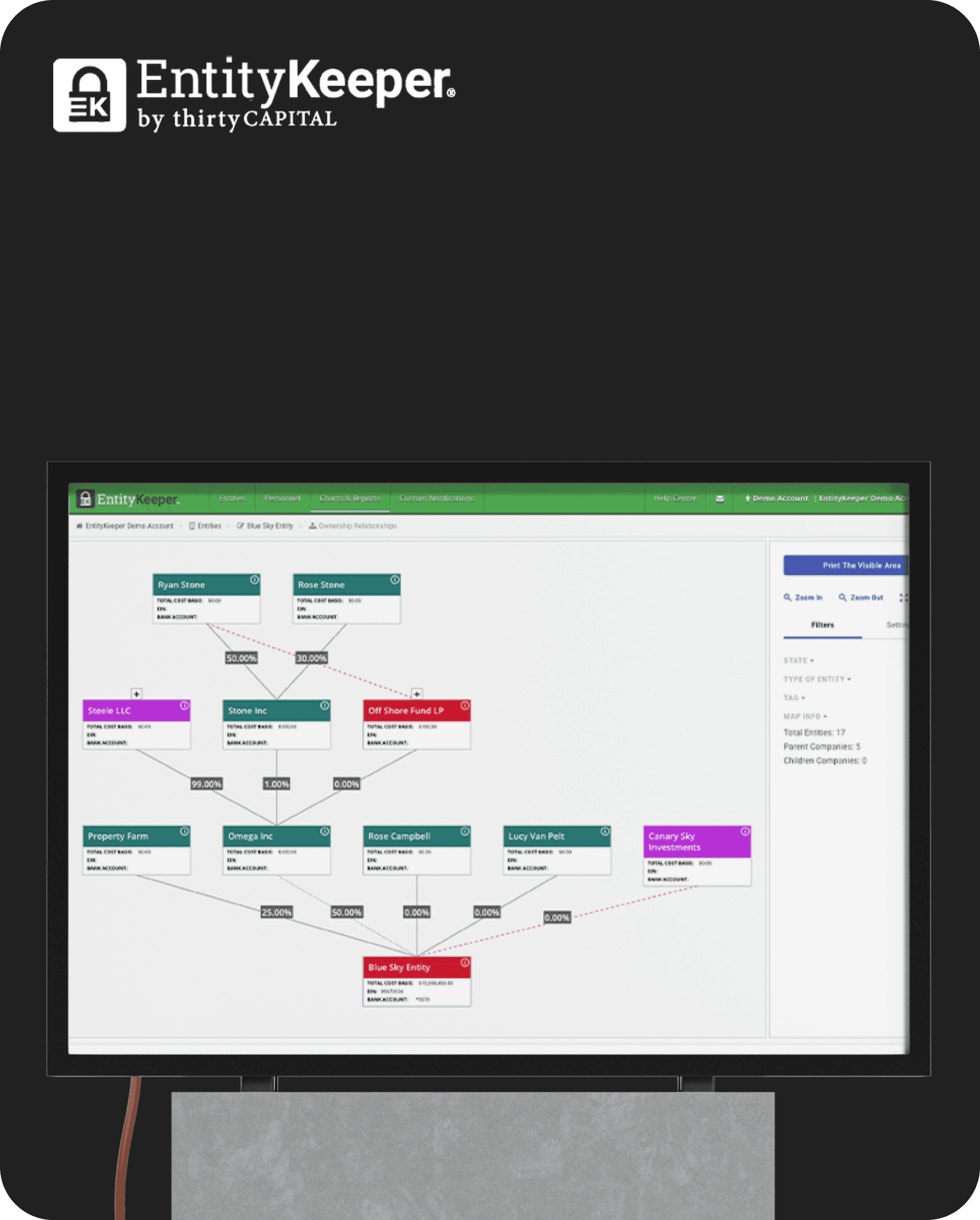
Entity Keeper
Real Estate
Real Estate SaaS for Entity Keeper
4.9 / 5
Average client rating across platforms
93%
Net Promoter Score
150%
Client retention rate
SOC 2
Type II certified
Four ways to work with us — from surgical staff augmentation to fully managed delivery. All models share the same senior-first talent bench.
Full-time engineers embedded in your team for long-running engagements.
Explore Dedicated Teams↗Add senior specialists to an existing team — vetted, onboarded, and up to speed in weeks.
Explore Staff Augmentation↗Managed fixed-scope projects with a committed timeline and deliverables.
Explore Project Delivery↗Fractional senior technical leadership for architecture, hiring, and strategy.
Explore Virtual CTO↗Why Codieshub
The shortlist we get asked about on every call — what actually separates Codieshub from a dev shop.
Server components, layouts, route groups, and parallel routes designed with deliberate client-server boundaries. We prevent the common mistake of over-using 'use client' that turns App Router into a glorified Pages Router.
Static generation, ISR, and dynamic rendering selected per route based on indexability requirements. Structured data, metadata API usage, and canonical handling built into the component architecture from day one — not added after a Lighthouse audit flags issues.
LCP optimization through Next.js Image with priority hints, CLS prevention through font optimization and layout stability techniques, INP improvement by minimizing client-side JavaScript in the critical render path. We target 90+ Lighthouse scores as a delivery gate, not an aspiration.
Route segment colocation, feature-based folder structures, and TypeScript path aliases that scale to 50+ engineers without import spaghetti. Shared UI component libraries built with Storybook and tested in isolation.
Server Actions for form handling and mutations, Route Handlers for webhook receivers and API integrations, and secure server-side data fetching that never exposes credentials to the client bundle. We integrate with REST APIs, GraphQL, tRPC, and Supabase out of the box.
next-intl or next-i18next configured with locale-specific static generation, hreflang tags, and RTL layout support for markets that require it. We build Next.js applications for clients operating across multiple countries and locales simultaneously.
Reviews

Ryan Pamplin
CEO · Blendjet
Blendjet case study→“Managing global scale requires extreme technical precision. Codieshub re-architected our funnels to perform under massive pressure.”

Steve Gebhardt
Founder · RSVLTS
RSVLTS case study→“Our old setup crashed during every major drop until Codieshub built a beast of an engine for us. They handled our traffic spikes perfectly.”

John Bradford
CEO · PetScreening
PetScreening case study→“An external team can be just as committed and driven as our internal one. Their dedication and attention to detail have made them invaluable.”

Farid Huseynov
CEO · Kapital Bank
Kapital Bank case study→“Reliability and scalability are critical for us. They approached the engagement with a strong technical foundation and a clear process.”

Davis Rosser
CEO & Co-founder · Elite Amenity
Elite Amenity case study→“The digital concierge we co-built is more than tech — it's a paradigm shift in resident experience. Luxury brands can now offer faster services.”

Vito Robles
COO · Percensys
Percensys case study→“They took feedback seriously, refined the details, and made sure our content and workflows were presented in a way that really works for our learners and admins.”

Michael Ou
Founder · CoolBitX
CoolBitX case study→“Security and precision are non-negotiable for us. They demonstrated solid technical judgment, were open to feedback from our engineers, and iterated quickly.”

Lisa Dunbar
CEO · Paradigm Labs
Paradigm Labs case study→“They did an excellent job balancing scientific nuance with a user-friendly experience. It's clear they care about both rigor and design.”

Oliver Dlouhy
CEO · Kiwi
Kiwi case study→“We move fast and deal with a lot of edge cases. They kept up without cutting corners, which is rare. The team stayed responsive across time zones.”
Enterprise-grade security and compliance across every engagement.
Nearshore teams that overlap with your working hours for real-time collaboration.
Near-perfect satisfaction scores across Clutch, DesignRush, and Manifest.
Process
Our engineers are not freelancers, and we are not a marketplace. Dedicated Codieshub seniors, seated with your team.
Before kickoff
Pre-kickoff technical and strategic review.
Before a single line of code, we sit with your team to align on stack, constraints, and what success looks like. Our VP Eng, CTO, and senior leads join — not a sales engineer.
Full review of your stack, goals, and constraints before kickoff
Session led by VP Eng, CTO, and the senior leads who'll staff the work
Architecture, tooling, and team shape agreed before the first sprint
Questions
The questions we get on every intro call — answered without the marketing gloss.
The App Router migration is worthwhile for most applications, but the timing and scope should be strategic. Pages Router and App Router coexist in the same project, which means you can migrate incrementally — starting with new routes and working backward through high-traffic pages where server rendering benefits are most measurable. A full migration for a 30 to 50 page application typically takes 6 to 10 weeks of focused engineering work. The most disruptive parts are data fetching refactors (replacing getServerSideProps and getStaticProps with async server components and fetch), authentication flows that depend on Pages Router middleware patterns, and any third-party libraries that lack React Server Component compatibility. We run a pre-migration audit to identify the compatibility blockers before committing to a timeline.
Keep exploring