Hire Unity Developer
Cross-platform game and interactive media development with Unity and C#. From mobile free-to-play to AR/VR and location-based experiences, we ship on every target.
Free-to-play mobile games with Addressables, analytics, and live-ops infrastructure.
Meta Quest, Vision Pro, and AR Foundation apps with hand tracking and spatial UI.
Netcode for GameObjects and Photon-based synced gameplay with rollback and anti-cheat.
Arcade and LBE installations with custom input, motion platforms, and kiosk-grade reliability.
Custom inspectors, build pipelines, and designer-friendly tools that accelerate the team.
Profiling, Job System, and DOTS / ECS for large-simulation projects where GameObjects stall.
Unity is the engine behind more shipped games than any other platform, but the decision to build on Unity is only the start of what separates successful game projects from development loops that never end. The real challenge is architectural: how you structure scene loading for minimal hitch on mobile, how you budget draw calls and overdraw for the GPU you're targeting, how you version and ship content updates without a full app re-release, and how you instrument analytics so design decisions are backed by real player behavior data rather than gut feel.
Codieshub has built Unity-based games and interactive experiences since 2016, across mobile (iOS/Android), PC, and WebGL targets. Our engineers have shipped casual mobile games with active player bases in the millions, enterprise simulation and training applications, and AR features using Unity's AR Foundation layer over ARKit/ARCore. We operate with the discipline of a software engineering firm, not a games studio: version control from day one, CI/CD pipelines that catch regressions before they reach QA, and code review standards that keep a growing codebase maintainable past the prototype phase.
The engineering decisions that bite Unity projects hardest are the ones that feel minor early on—object pooling skipped for simplicity, scene architecture that makes load times acceptable at 50 levels but catastrophic at 200, IL2CPP build times that slow iteration to a crawl. We've seen these failure modes at every project scale, which means we architect around them from the first sprint rather than discovering them at launch crunch.
Unity makes it fast to build a playable prototype, and that speed creates a trap: the architectural shortcuts that felt harmless at 10 levels and 5,000 daily active users become the reason a mobile game fails its launch window performance targets or can't ship content fast enough to retain players past week two. Most Unity projects don't fail because of bad design—they fail because the engineering foundation wasn't built to scale.
Codieshub starts every Unity engagement with an architecture review, whether we're building from scratch or taking over an existing project. For new builds, we establish the asset pipeline, scene management system, and addressable asset workflow before any content is produced—decisions that determine how the whole project scales. For existing projects, we audit the profiler, identify the frame time budget killers, and produce a remediation plan with measurable targets before touching code. Development follows two-week sprints with demo-able builds so you see progress, not status updates.
Games we've shipped meet their target-device performance budgets before QA—not after. Optimization engagements on existing Unity codebases commonly deliver substantial frame rate improvements once garbage collection spikes, over-batching, and missing LOD systems are addressed — and content update cycles compress from months to days once addressable asset workflows are in place. Most importantly, the codebase remains maintainable: new features can be added without archaeology expeditions into spaghetti MonoBehaviour chains.
Share your concept and target platform — we'll map a build plan with realistic timelines.
The Work
Archive · 2016 → 2026
Browse all 35 cases→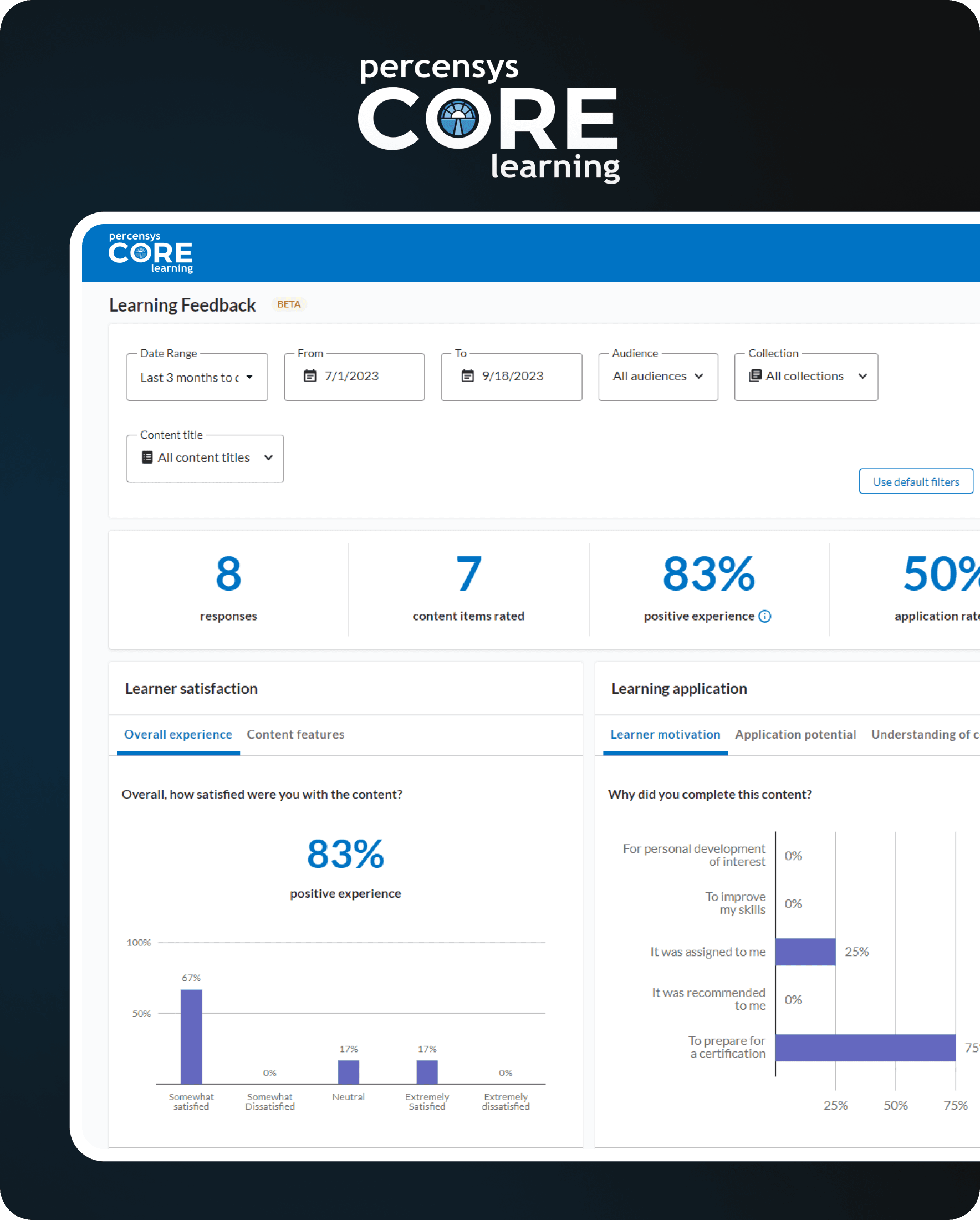
Education
Learner & Admin Workflows for Percensys
RSVLTS
E-commerce
E-commerce Platform for RSVLTS
Blendjet
E-commerce
Global E-commerce Funnels for Blendjet
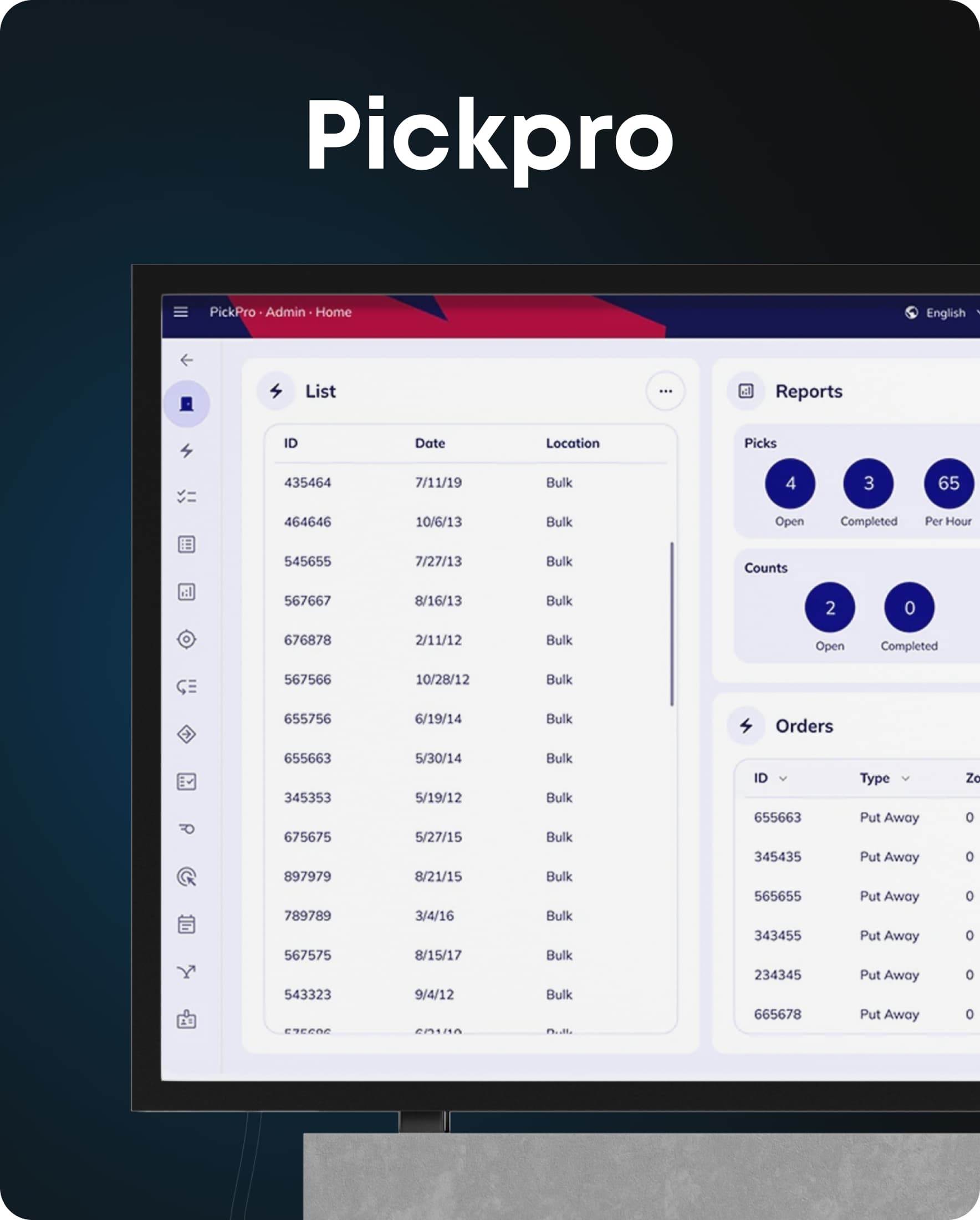
PickPro
Logistics
Logistics Platform for PickPro
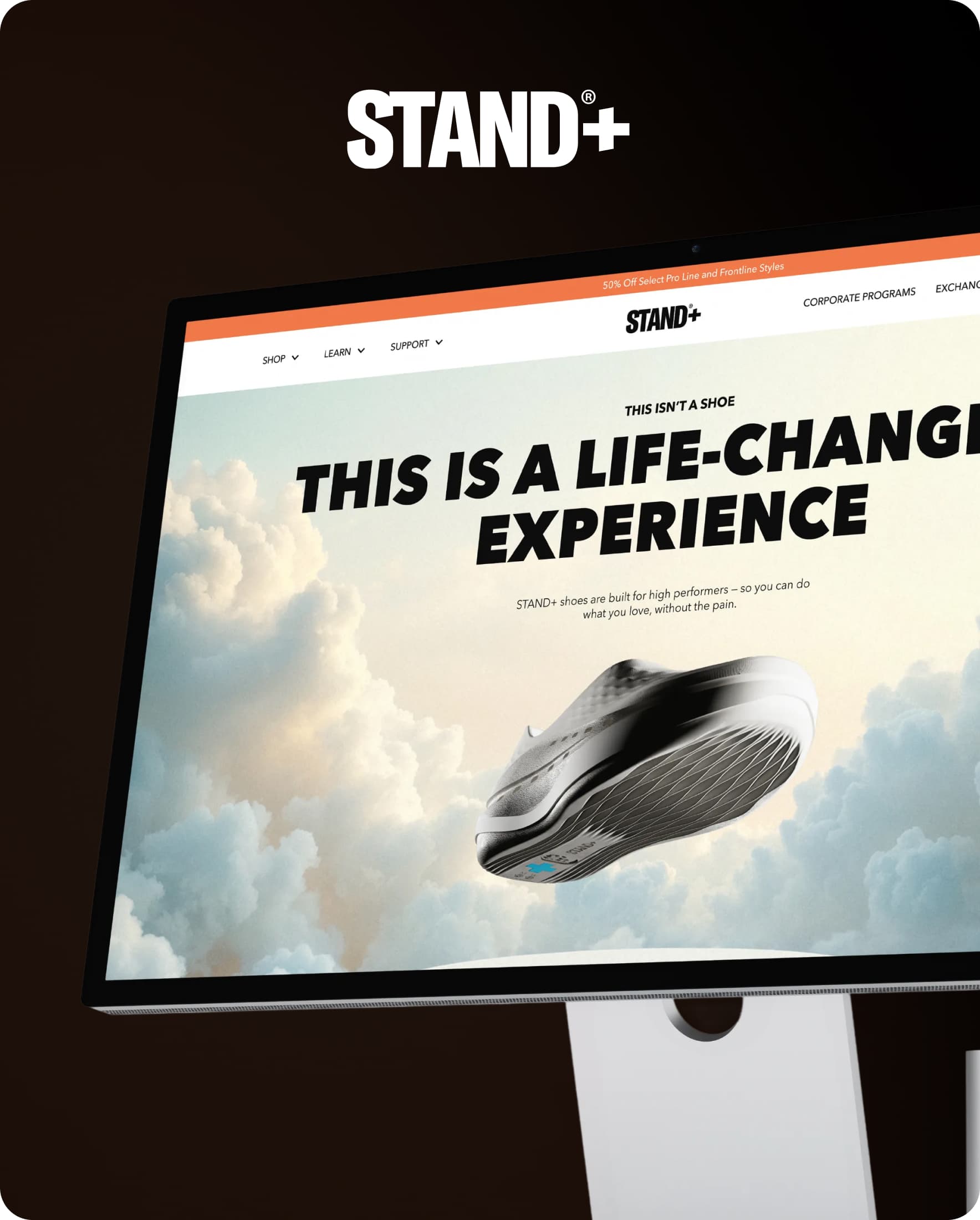
Stand+
E-commerce
E-commerce Platform for Stand+
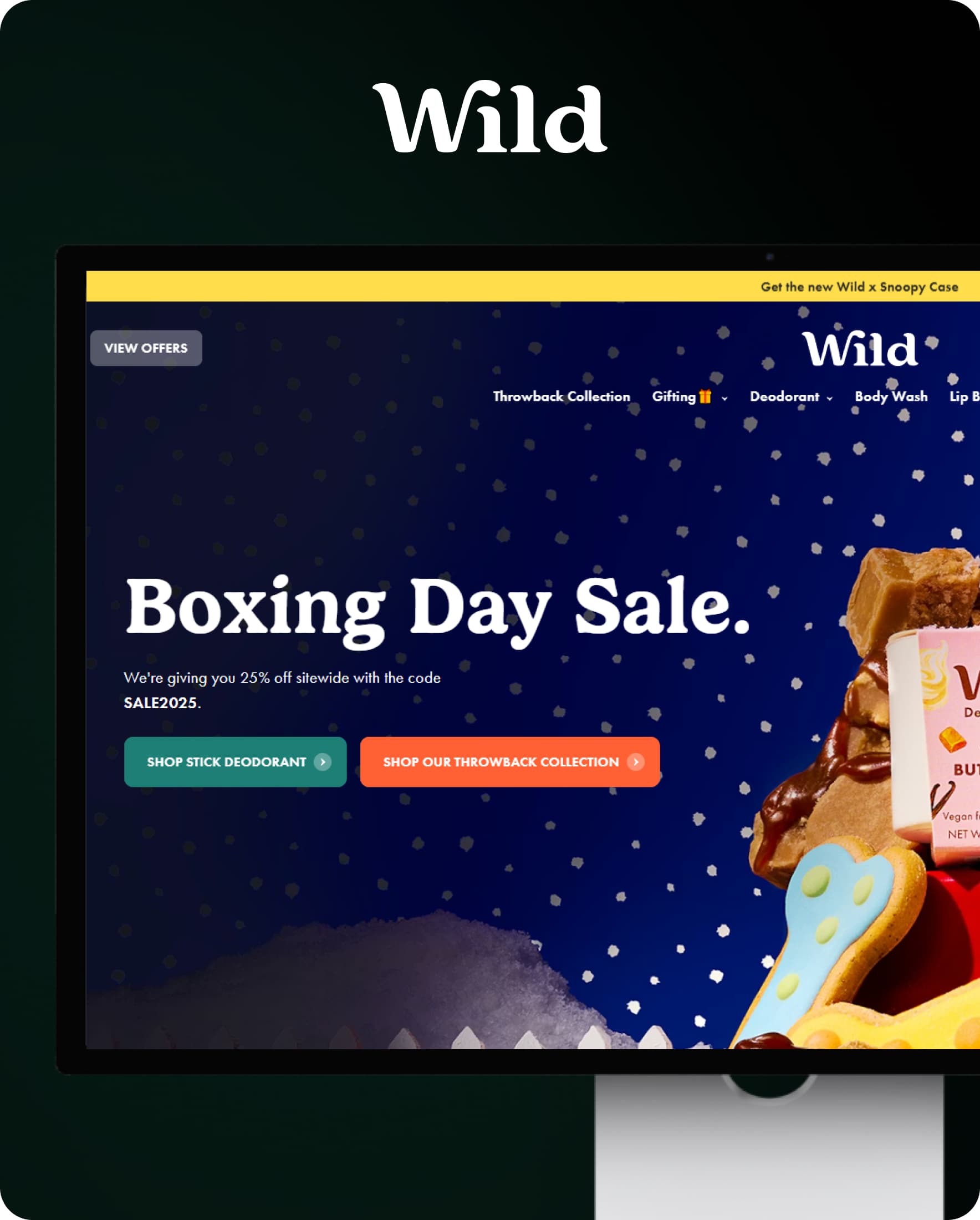
Wild
E-commerce
E-commerce Platform for Wild
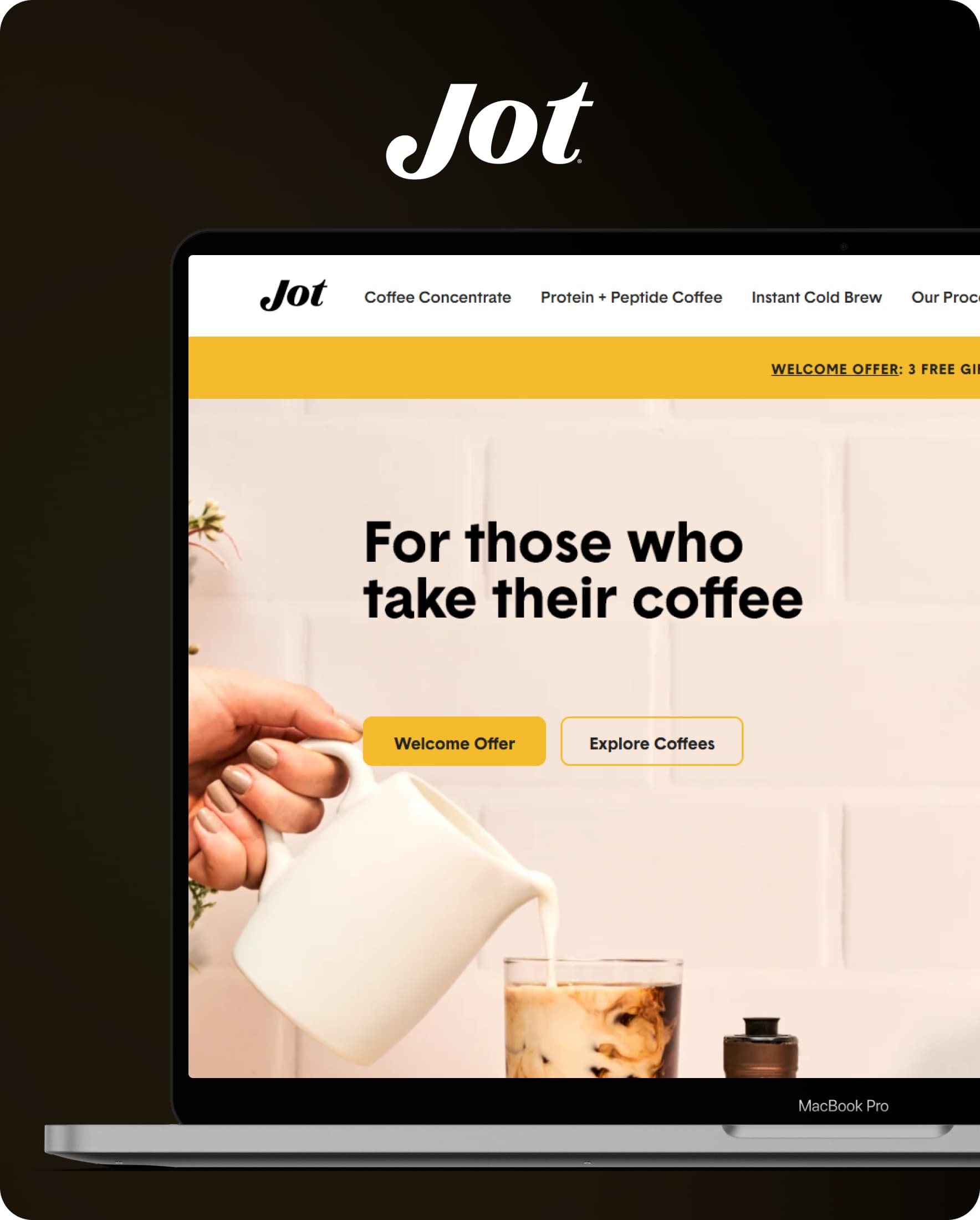
Jot
E-commerce
Frictionless Subscription Checkout for Jot
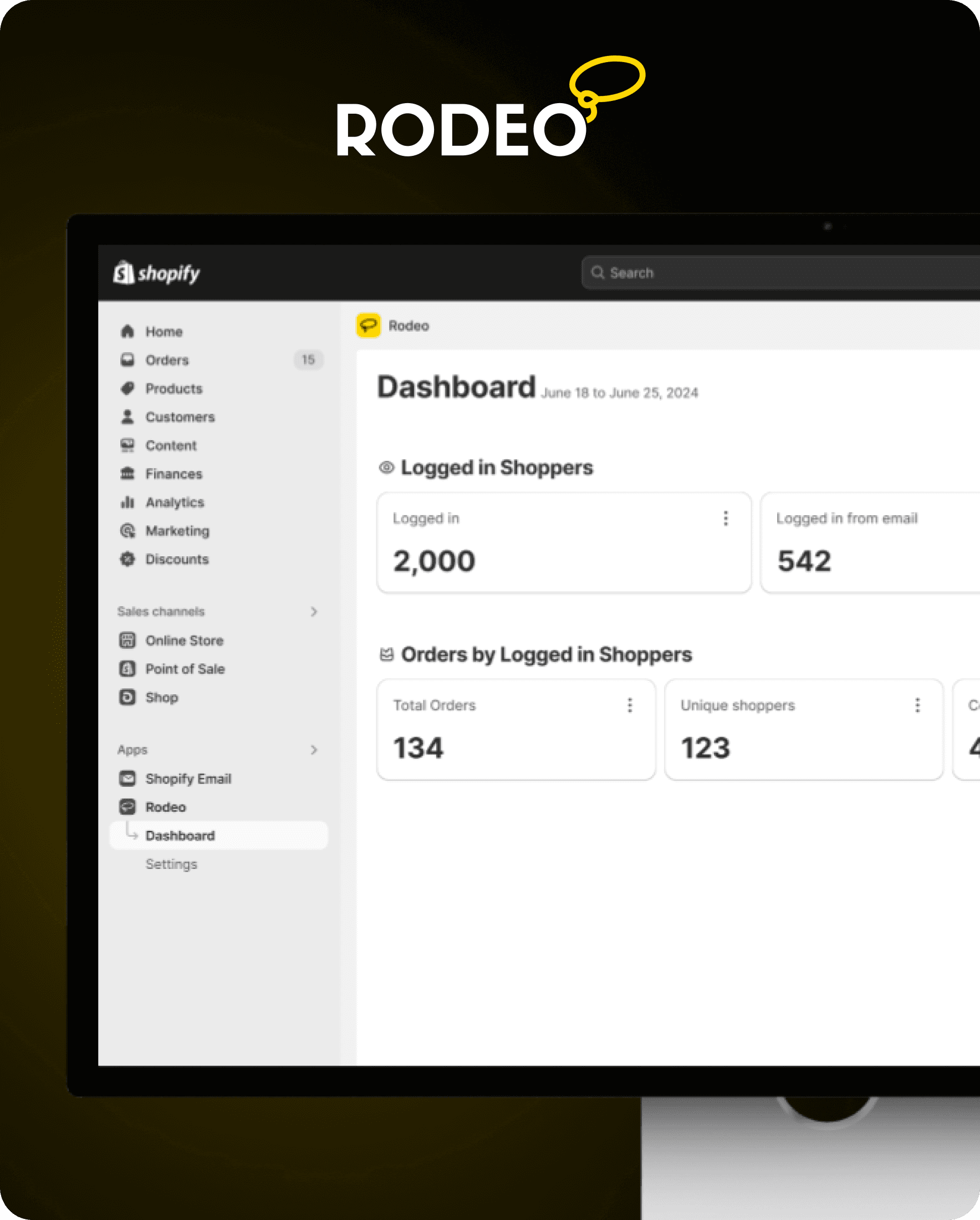
Rodeo
E-commerce
Shopify Subscription Plugin Built in 8 Weeks
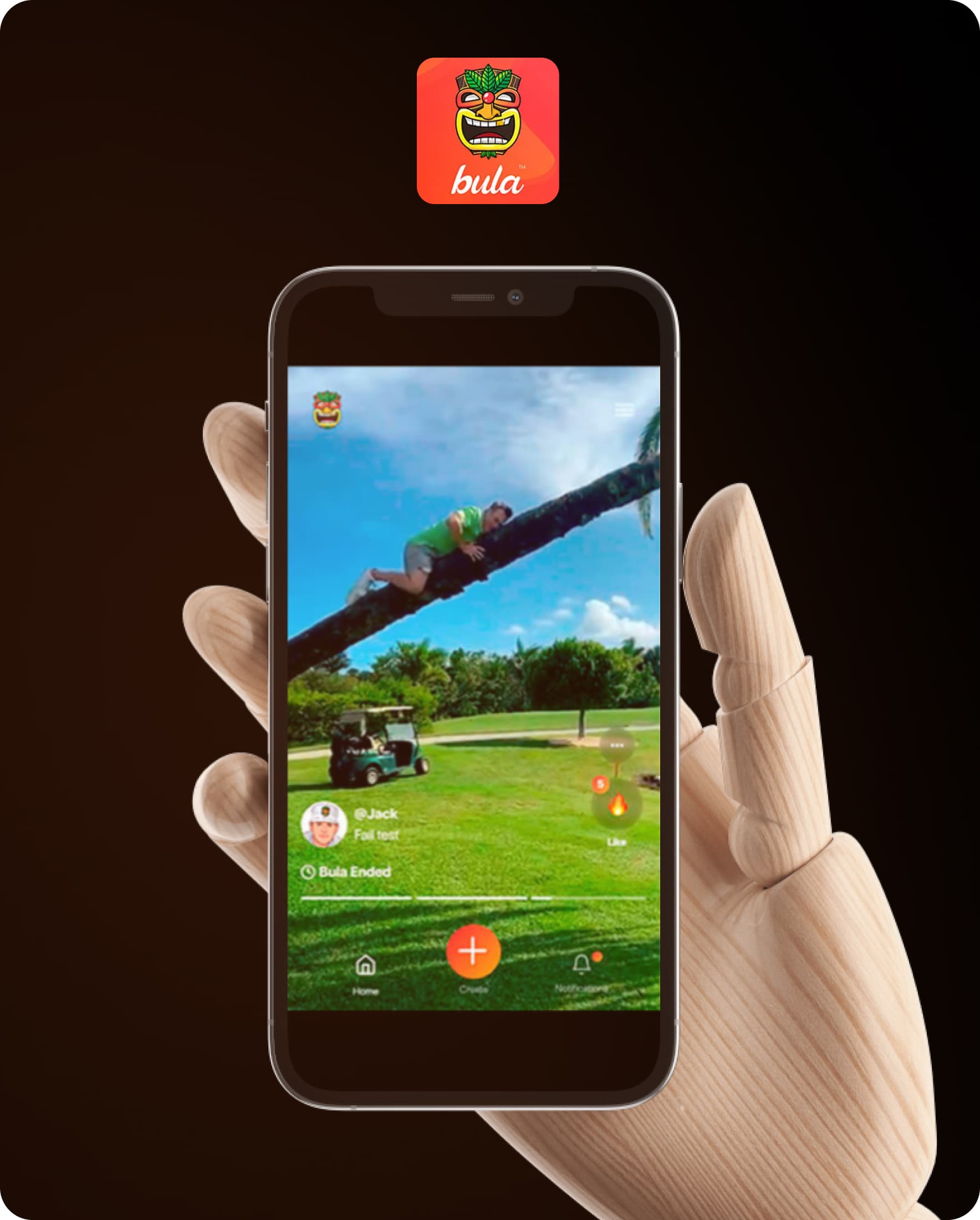
Bula
Gaming
Web3 Gaming Social Platform for Bula
4.9 / 5
Average client rating across platforms
93%
Net Promoter Score
150%
Client retention rate
SOC 2
Type II certified
Four ways to work with us — from surgical staff augmentation to fully managed delivery. All models share the same senior-first talent bench.
Full-time engineers embedded in your team for long-running engagements.
Explore Dedicated Teams↗Add senior specialists to an existing team — vetted, onboarded, and up to speed in weeks.
Explore Staff Augmentation↗Managed fixed-scope projects with a committed timeline and deliverables.
Explore Project Delivery↗Fractional senior technical leadership for architecture, hiring, and strategy.
Explore Virtual CTO↗Why Codieshub
The shortlist we get asked about on every call — what actually separates Codieshub from a dev shop.
Draw call budgets, object pooling, and async scene loading are designed in from sprint one—so your target device frame rates are hit before launch, not negotiated after.
We implement Unity Addressables from the start so content updates ship as over-the-air patches, not full app store submissions—critical for live-service games and iterating on early player feedback.
iOS, Android, PC, WebGL, and AR Foundation (ARKit/ARCore) — we handle platform-specific build configurations, input abstraction, and UI scaling so one codebase serves multiple targets cleanly.
Player progression, leaderboards, IAP, push notifications, and session analytics are integrated via PlayFab, Firebase, or custom REST APIs—giving you the data to make design decisions based on actual player behavior.
Unity Cloud Build or GitHub Actions pipelines run automated builds and regression tests so bugs are caught before they reach QA or, worse, a live player base.
Senior Unity engineers working your timezone mean daily standups, same-day code review turnaround, and a team that doesn't disappear when the production crunch hits.
Reviews

Ryan Pamplin
CEO · Blendjet
Blendjet case study→“Managing global scale requires extreme technical precision. Codieshub re-architected our funnels to perform under massive pressure.”

Steve Gebhardt
Founder · RSVLTS
RSVLTS case study→“Our old setup crashed during every major drop until Codieshub built a beast of an engine for us. They handled our traffic spikes perfectly.”

Vito Robles
COO · Percensys
Percensys case study→“They took feedback seriously, refined the details, and made sure our content and workflows were presented in a way that really works for our learners and admins.”

Farid Huseynov
CEO · Kapital Bank
Kapital Bank case study→“Reliability and scalability are critical for us. They approached the engagement with a strong technical foundation and a clear process.”

Davis Rosser
CEO & Co-founder · Elite Amenity
Elite Amenity case study→“The digital concierge we co-built is more than tech — it's a paradigm shift in resident experience. Luxury brands can now offer faster services.”

Michael Ou
Founder · CoolBitX
CoolBitX case study→“Security and precision are non-negotiable for us. They demonstrated solid technical judgment, were open to feedback from our engineers, and iterated quickly.”

John Bradford
CEO · PetScreening
PetScreening case study→“An external team can be just as committed and driven as our internal one. Their dedication and attention to detail have made them invaluable.”

Oliver Dlouhy
CEO · Kiwi
Kiwi case study→“We move fast and deal with a lot of edge cases. They kept up without cutting corners, which is rare. The team stayed responsive across time zones.”

Lisa Dunbar
CEO · Paradigm Labs
Paradigm Labs case study→“They did an excellent job balancing scientific nuance with a user-friendly experience. It's clear they care about both rigor and design.”
Enterprise-grade security and compliance across every engagement.
Nearshore teams that overlap with your working hours for real-time collaboration.
Near-perfect satisfaction scores across Clutch, DesignRush, and Manifest.
Process
Our engineers are not freelancers, and we are not a marketplace. Dedicated Codieshub seniors, seated with your team.
Before kickoff
Pre-kickoff technical and strategic review.
Before a single line of code, we sit with your team to align on stack, constraints, and what success looks like. Our VP Eng, CTO, and senior leads join — not a sales engineer.
Full review of your stack, goals, and constraints before kickoff
Session led by VP Eng, CTO, and the senior leads who'll staff the work
Architecture, tooling, and team shape agreed before the first sprint
Questions
The questions we get on every intro call — answered without the marketing gloss.
Scope drives cost more than any other factor in game development. A casual mobile game (hyper-casual or casual-puzzle) with core loop, level editor tooling, monetization integration, and submission-ready builds for iOS and Android typically runs $80,000–$180,000. Mid-core games with meta-game systems (collection, progression, social), live-service backend integration, and analytics pipelines are typically $180,000–$400,000. An enterprise training simulation or interactive product configurator in Unity generally runs $60,000–$150,000 depending on 3D asset complexity. Engagements start with a scoping phase ($8,000–$15,000) that produces a detailed design document, technical architecture, and fixed-price proposal for the full build.
Keep exploring