
InsightsHealthcare
How to Develop a Healthcare App in 2026: The Complete Guide
Learn how to build a healthcare app in 2026—from planning and compliance to features, costs, and launch strategies.
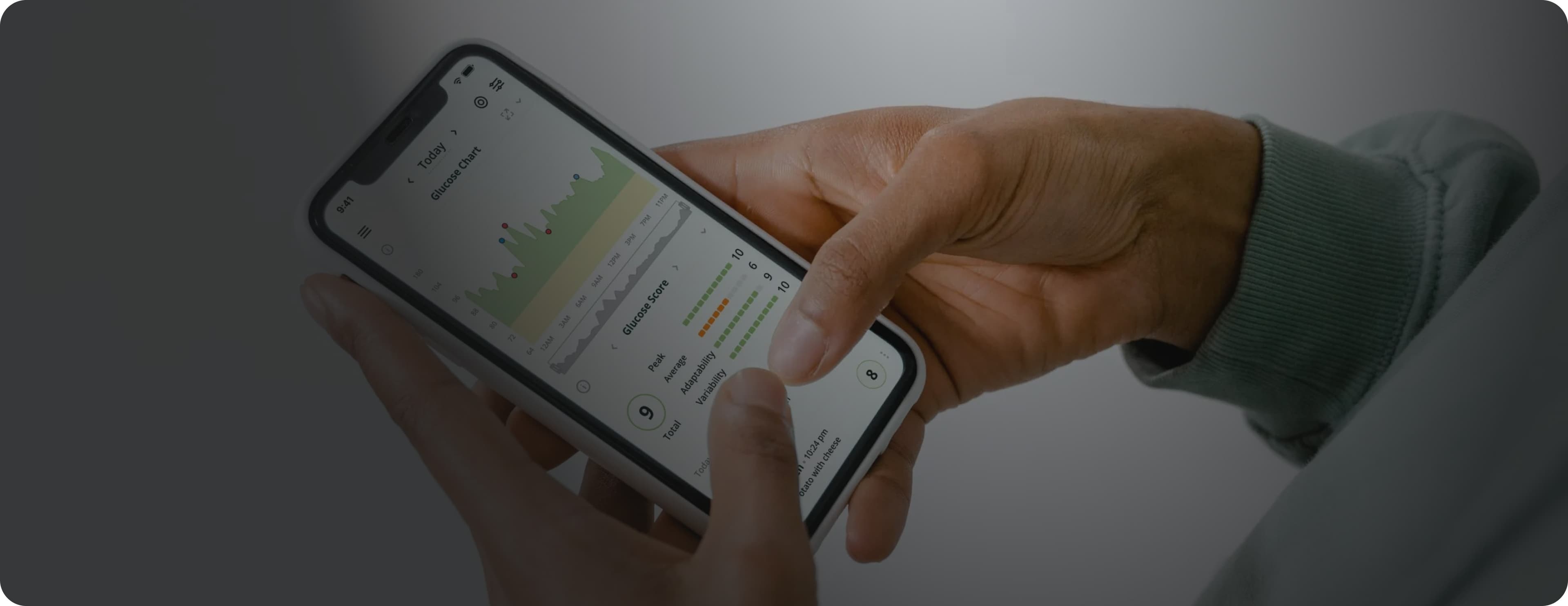
Today, building a healthcare app has become a priority for hospitals, clinics, and healthcare organizations worldwide. These apps simplify patient health management, streamline medical record keeping, and strengthen communication between doctors and patients.
Modern healthcare apps can offer a wide range of features, including appointment scheduling, remote patient monitoring, telemedicine, and electronic health record (EHR) integration, all backed by strong data protection and HIPAA compliance to keep sensitive patient information secure. When built for both iOS and Android, these cross-platform solutions can significantly improve patient care, save time, and make medical services more accessible to everyone.
This guide walks you through everything you need to know about healthcare app development in 2026, from initial planning and design to building and launching a successful product.
What is a Healthcare App?
A healthcare app is a mobile application designed to help patients, doctors, and healthcare organizations manage health records, appointments, and medical services digitally. These apps can include telemedicine apps, appointment scheduling, remote patient monitoring, and EHR integration. In addition to mobile solutions, combining a healthcare app with Custom Web Development allows organizations to provide seamless access to patient data and services across both web and mobile platforms.
Healthcare apps simplify patient care, provide easy access to patient health information, and improve communication between doctors and patients.
Why Healthcare App Development Matters More Than Ever in 2026
The global digital health market is projected to surpass $800 billion by 2030, and the growth
isn't slowing. Post-pandemic habits have permanently shifted patient expectations. People are comfortable with virtual care now, and payers are increasingly reimbursing for it. AI-assisted diagnostics, wearable device integration, and real-time remote monitoring are no longer experimental features; they're becoming baseline expectations.
Next, dive deeper into audience behavior by asking questions such as:
Key market indicators:
60% of patients now prefer digital-first access to healthcare services
3.5 billion smartphone users globally have at least one health app installed
Apps with appointment reminders reduce patient no-shows by up to 40%
The average hospital saves 20+ administrative hours per week with a well-built patient app
Types of Healthcare Apps
Before writing a single line of code, identify which category your app belongs to. Each type
comes with different feature requirements, compliance obligations, and development
complexity.
1. Patient-Facing Apps
Built around convenience and trust. Core functions include appointment booking, health record access, medication reminders, and telehealth consultations. The UX bar here is high. Patients are often stressed, elderly, or managing complex conditions.
2. Clinical Tools
Designed for doctors, nurses, and medical staff. These apps provide EHR access, clinical
decision support, e-prescribing, and care coordination workflows. Speed and reliability are non- negotiable.
3. Remote Patient Monitoring Apps
These integrate with wearables and IoT medical devices to track vitals, blood glucose, and ECG
readings, or activity data in real time. Extremely valuable for chronic disease management.
4. Telemedicine Platforms
Secure video, chat, and asynchronous messaging between patients and providers. Usually
combined with scheduling, billing, and prescription management features.
5. Wellness and Mental Health Apps
Fitness tracking, sleep monitoring, nutrition logging, and mental health support. These carry a lower regulatory burden but face a fiercely competitive market.
6. Hospital Management Systems
Internal tools for staff scheduling, bed management, billing, and supply chain. These are
enterprise-level products with complex stakeholder requirements
Health App vs. Medical App: A Distinction That Matters
This difference has real legal and financial consequences it determines your regulatory path
and significantly affects your development costs
Health App vs Medical App Comparison
Primary users: Health apps are used by the general public, while medical apps are used by patients, clinicians, and administrators.
Purpose: Health apps focus on wellness, fitness, and lifestyle tracking. Medical apps are designed for diagnosis, treatment, and clinical workflows.
Regulatory risk: Health apps have low regulatory risk, whereas medical apps have high regulatory requirements and may need FDA clearance or CE marking.
Data sensitivity: Health apps handle moderate sensitivity data, while medical apps deal with highly sensitive patient health information (PHI) governed by HIPAA and GDPR.
EHR integration: Health apps rarely require integration with Electronic Health Records (EHR), but medical apps often depend on it.
Development cost: Health apps typically cost between $20,000 – $60,000, while medical apps can range from $80,000 – $250,000+ depending on complexity.
Key question: Does your app make a clinical claim? "Track your steps" is wellness. "Detecting atrial fibrillation" is medical. The moment your app makes a diagnostic or therapeutic claim, you enter regulated territory and need legal review before you build anything
How to Develop a Healthcare App
Healthcare mobile app development requires planning, understanding your audience, and working consistently to create a successful product. From telemedicine apps to remote patient monitoring, integrating AI & ML solutions can enhance patient care, provide intelligent insights, and improve overall efficiency when building a healthcare app.
Here’s a step-by-step guide to help you develop a healthcare app efficiently:
Step #1: Define Target Audiences and Digital Strategy
Understanding your main target audience is the first step in healthcare mobile app development. Identify key demographics like age, gender, location, income, education, and occupation.
Next, dive deeper into audience behavior by asking questions such as:
What are their habits and characteristics?
Which platforms or channels do they use?
What healthcare services or features in a health app do they need?
Are they used to mobile applications or traditional healthcare visits?
What factors influence their decisions?
Analyzing analytics from Google, Facebook, or your healthcare website helps ensure your app reaches the right audience. Tools like Google Analytics and Meta Business Suite provide insights into visitor behavior and engagement with healthcare apps.
Step #2: Conduct Market and Competitor Research
Market research helps understand the current healthcare landscape, while competitor analysis highlights strengths and weaknesses in medical app development. Combining both allows you to identify opportunities, build a competitive advantage, and implement a custom CRM to manage patient relationships and streamline healthcare operations.
Research methods include:
Surveys and questionnaires
Focus groups and in-depth interviews
Landing pages for feedback
Key points to analyze competitors:
Market share and presence
Strengths and weaknesses
Opportunities to grow market share
Barriers to entry
Indirect competitors affecting your app’s success
Thorough market research ensures your healthcare mobile app development is strategic and reduces the risks of failure.
Step #3: Validate Your Business Hypothesis
Digital healthcare app development comes with risks. Validating your business ideas early can save time, money, and effort. Integrating AI chatbot development can further enhance user engagement, provide instant patient support, and improve overall efficiency in your healthcare app.
Users’ knowledge and technical skills
How to help users get familiar with your app
User expectations for health app experience
Security and transparency of medical app development
Market demand for specific healthcare mobile app features
Instructions for user onboarding (images, animations, or text)
Validating these hypotheses ensures your app meets real user needs.
Step #4: Build a Minimum Viable Product (MVP) and Test
An MVP healthcare app includes core features needed for basic functionality. Users can experience the essential services while developers gather feedback for improvement.
Example MVP features for a heart-related app:
General heart disease diagnosis
Find cardiovascular specialists
Book appointments
E-prescriptions
Locate medicine vendors
Ambulance access
General MVP features for healthcare apps:
Geolocation and remote patient monitoring
HIPAA-compliant messaging
Cloud storage for health records
Appointment and medication reminders
Health monitoring tools
Calendar and scheduling
User education modules
Without an MVP, it’s hard to deliver functional healthcare mobile app development solutions effectively.
Step #5: Build an Outcome-Focused Product
Focus on delivering measurable results for your users. Features like a simple interface, easy navigation, and clear content for medical blogs make your health app stand out. Every feature should align with your goals and improve patient health.
Step #6: Choose the Right Development Partner
Selecting the right team is very important. Choose experienced development teams or a product development agency that understands healthcare mobile app development, EHR integration, and HIPAA compliance.
A strong team ensures your app is secure, scalable, and provides seamless integration with healthcare systems.
Healthcare App Development Requirement Checklist
Before starting your project, ensure you have:
Clear understanding of app type (health or medical)
List of required features: appointment scheduling, remote patient monitoring, and health records
Compliance plan (HIPAA compliance, data security)
Preferred platforms (iOS, Android, or cross-platform)
Integration plan for electronic health record (EHR)
How to Choose the Right Technology Partner
Your development partner can make or break a healthcare app project. Look beyond hourly rates. Here is what actually matters:
Demonstrated experience shipping HIPAA-compliant products, ask for case studies, not just marketing claims
Hands-on experience with FHIR and major EHR integrations like Epic and Cerner
A dedicated QA and security testing process is built into their standard workflow
Transparent project management with regular demos and a clear change control process
Explicit IP ownership agreements: You should own all code produced for your project
Post-launch support terms are defined upfront, not negotiated after you are already dependent on them
References from previous healthcare clients, you can actually speak with them directly
Challenges in Healthcare App Development & How to Overcome Them
Data Security & HIPAA Compliance – Implement strong encryption and secure cloud storage.
Integration with EHR Systems – Use standard protocols for seamless integration.
User Adoption – Focus on simple UI/UX and easy mobile application navigation.
Remote Patient Monitoring Challenges – Use reliable devices and real-time data updates.
Cross-Platform Development Complexity – Use frameworks that support multiple platforms without compromising speed.
Conclusion
Building a healthcare app is a powerful way to improve patient health, streamline clinical workflows, and securely manage medical records and health records. By including essential features like appointment scheduling, telemedicine apps, remote patient monitoring, and EHR integration, healthcare organizations can deliver a seamless healthcare mobile app development experience.
Choosing the right development teams, tech partners, and ensuring HIPAA compliance and data protection are key to creating a reliable medical app. With a well-designed health app, hospitals, clinics, and other healthcare organizations can provide efficient, secure, and patient-focused digital care. You can also book a call for developing a healthcare app to get expert guidance and start your project successfully.
Frequently Asked Questions (FAQs)
1. What is a healthcare app?
A healthcare app is a mobile application designed for patients, doctors, and healthcare organizations. It can include telemedicine apps, appointment scheduling, remote patient monitoring, and EHR integration to improve patient health and manage medical and health records securely.
2. What is the difference between a health app and a medical app?
Health apps focus on wellness, fitness, and lifestyle tracking, while medical apps are designed for professionals and hospitals. They include EHR integration, HIPAA compliance, and clinical workflow tools, supporting healthcare mobile app development to manage medical records, appointments, and patient health effectively.
3. How much does it cost to develop a healthcare app?
The cost of medical app development depends on complexity, features, and platform. Basic health apps may cost $20k–$50k, while full-featured apps with telemedicine, remote patient monitoring, appointment scheduling, and EHR integration can exceed $100k. Costs vary by development teams and compliance needs.
4. How long does it take to build a healthcare app?
Developing a healthcare mobile app typically takes 3–9 months. Timeline depends on app type, features like telemedicine apps, appointment scheduling, remote patient monitoring, cross-platform development, HIPAA compliance, and EHR integration. MVP testing and user feedback also affect the overall timeline.
5. Do I need HIPAA compliance for my healthcare app?
Yes, any health app or medical app handling patient health data must follow HIPAA compliance rules. This ensures data protection, secure medical records, and legal adherence. Compliance is critical in healthcare mobile app development, especially for telemedicine apps and apps managing electronic health records (EHR).
6. Can I develop a cross-platform healthcare app?
Absolutely. Cross-platform healthcare mobile apps run on both iOS and Android, ensuring wider accessibility. This approach supports features like telemedicine apps, remote patient monitoring, appointment scheduling, and EHR integration, while saving development costs and maintaining data protection and HIPAA compliance.
7. How to choose the right vendor for healthcare app development?
Choose vendors with experience in medical app development, healthcare mobile app development, EHR integration, and HIPAA compliance. A reliable vendor helps with telemedicine apps, remote patient monitoring, appointment scheduling, and ongoing maintenance, ensuring your health app delivers secure, efficient, and patient-focused care.