Custom PyTorch Software Services Development Company
PyTorch models moved from research notebook to production — training pipelines, distributed training, model optimization, and low-latency inference on CPU, GPU, and custom accelerators.
Enterprise-grade security and compliance built into every engagement.
Nearshore teams that work U.S. hours — available for standups, reviews, and real-time collaboration.
Mid-career to senior engineers, hand-selected and tested before they ever join a client team.
From first call to first commit in 1–2 weeks. No long procurement cycles.
Consistently top-rated by verified clients across Clutch, DesignRush, and The Manifest.
Clients don't just renew — they grow with us. Annual growth in renewals reflects lasting partnerships.
PyTorch has become the dominant framework for production deep learning — preferred by research teams at leading AI labs and increasingly the choice for engineering teams deploying neural networks in real products. Its dynamic computation graph, native Python integration, and the maturity of the surrounding ecosystem (TorchVision, TorchText, TorchServe, Hugging Face Transformers built on PyTorch) make it the right foundation for serious model development work.
Codieshub's AI engineering team builds with PyTorch across the full model lifecycle: data preparation and training pipeline construction, fine-tuning pre-trained foundation models on proprietary datasets, optimization for inference latency (quantization, pruning, TorchScript compilation), and deployment into scalable serving infrastructure. We work in the gap that most data science teams struggle with — the distance between a working notebook and a production model that handles real load reliably.
Our PyTorch engagements span healthcare companies building clinical NLP systems, fintech platforms running fraud scoring in near-real-time, and SaaS products integrating computer vision to automate document review or quality inspection. In each case the engineering work is the same: define the task clearly, build a reproducible training pipeline, establish evaluation metrics that actually reflect business value, and ship a serving layer that keeps latency within the bounds the product requires.
Most PyTorch work stalls between prototype and production. A data scientist produces a trained model that achieves good offline metrics, but there's no serving infrastructure, no versioning for model artifacts, no drift monitoring, and no clear path to retrain when data distribution shifts. The model exists as a pickle file on someone's laptop rather than as a production asset.
Codieshub structures PyTorch engagements with production delivery as the explicit objective from kickoff. We build training pipelines that are reproducible — parameterized, versioned, and runnable in CI against a held-out evaluation set. Models are served via TorchServe or ONNX Runtime behind a FastAPI wrapper, with latency budgets agreed upfront and quantization applied where they're needed. MLflow or Weights & Biases tracks every experiment so no run is lost.
Clients end up with a model that runs in production, can be retrained on a schedule or triggered by data drift, and integrates with the rest of their application through a well-defined API contract. The serving layer has latency telemetry, the training pipeline has a runbook, and the team can own the system without the original AI engineers on call.
From prototype to production model — tell us where you are and where you need to get.
The Work
Archive · 2016 → 2026
Browse all 35 cases→
Healthcare
Healthcare SaaS for mPATH Health
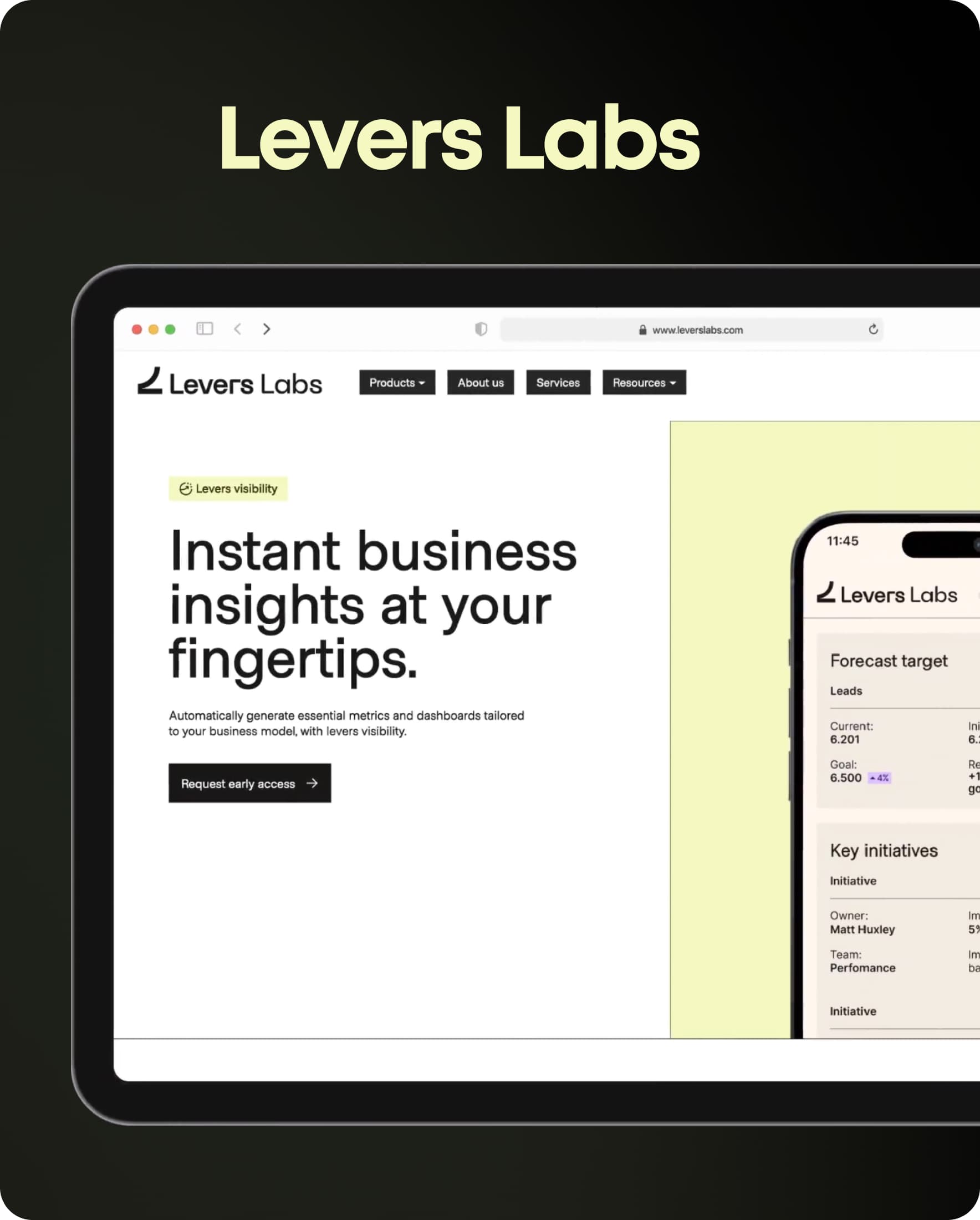
Levers Labs
Automation
AI/ML Automation Platform for Levers Labs
Paradigm Personality Labs
HR
HR SaaS for Paradigm Personality Labs
TFX Capital
Finance
Web & UX for TFX Capital
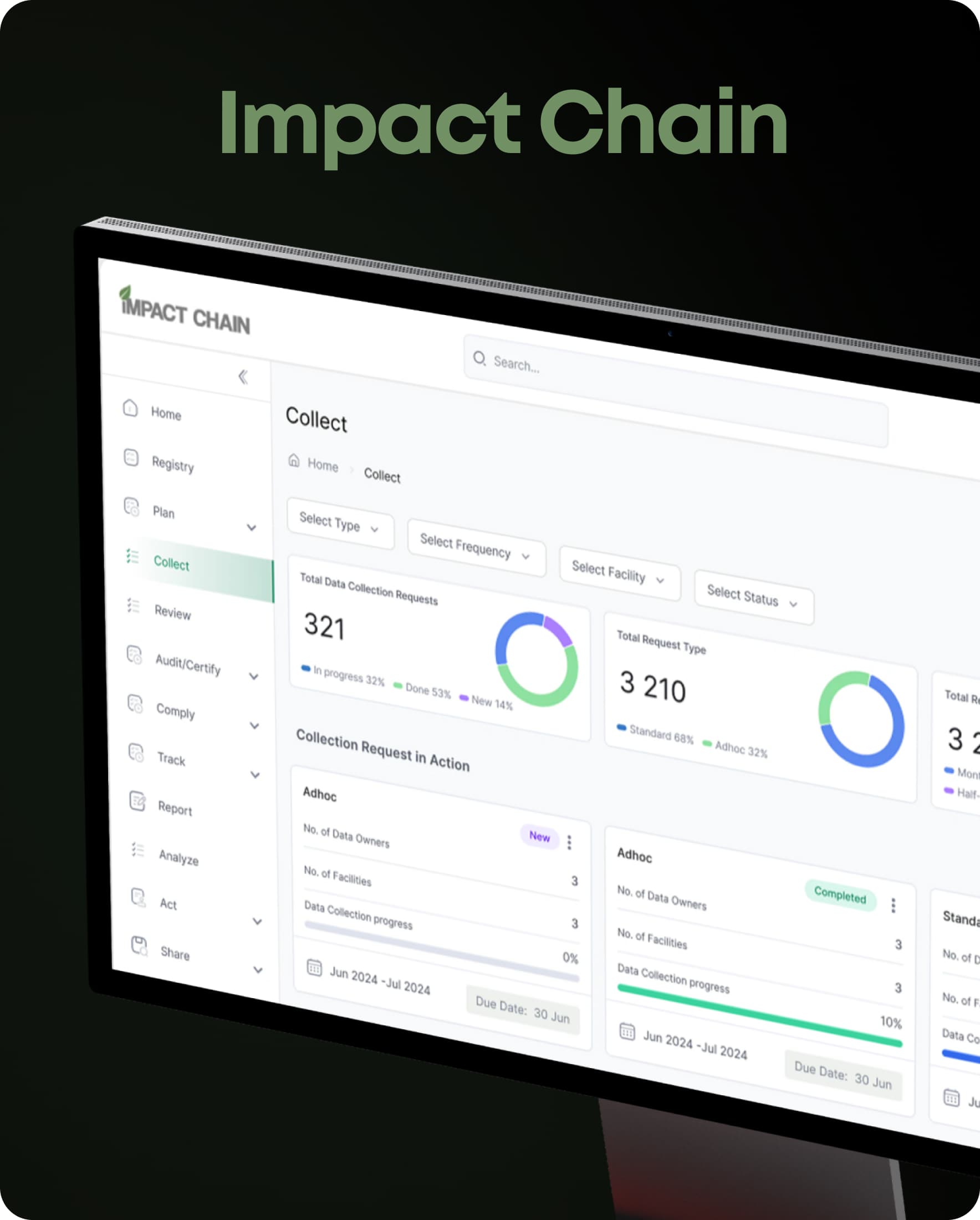
Impact Chain
Automation
AI/ML Automation for Impact Chain
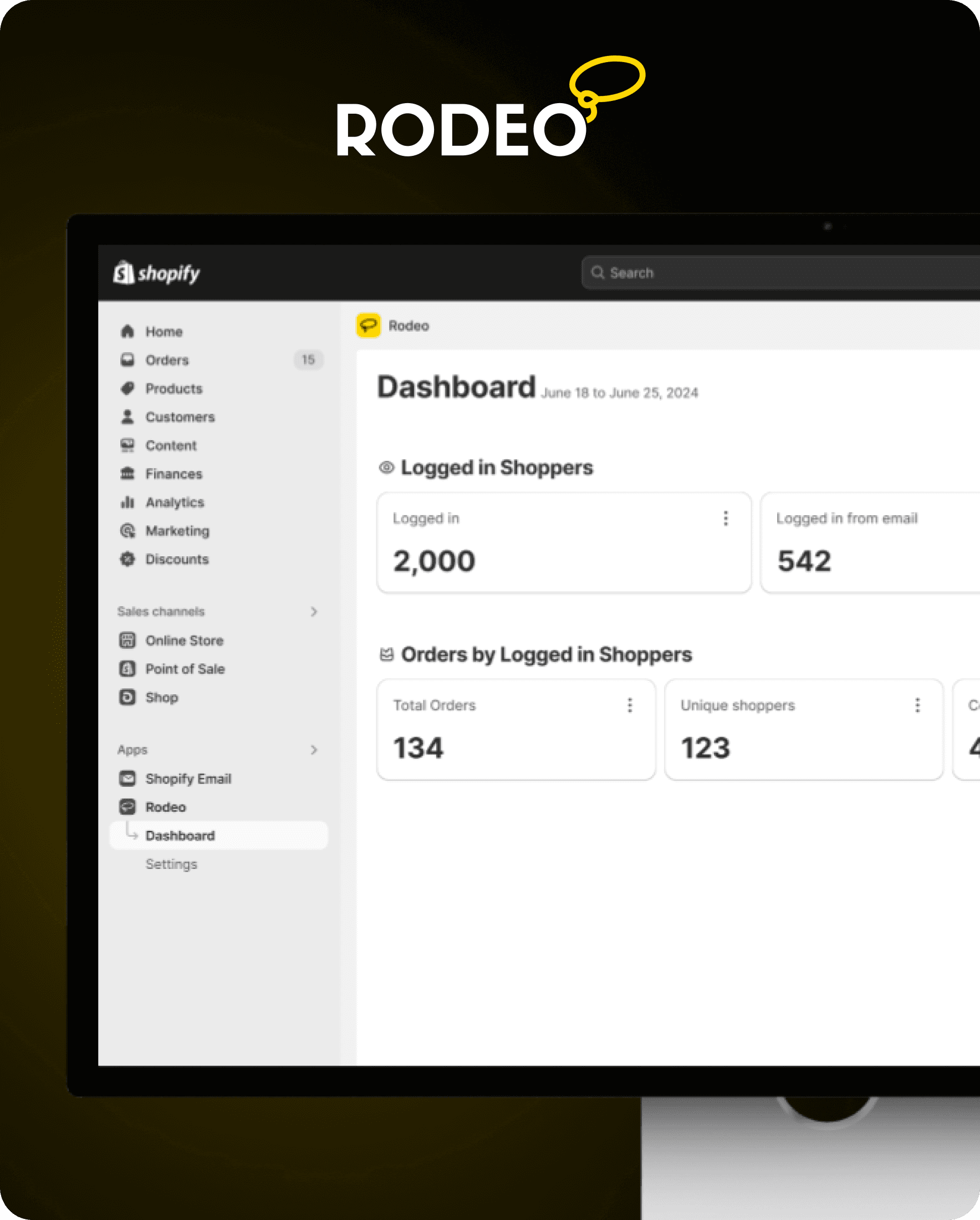
Rodeo
E-commerce
Shopify Subscription Plugin Built in 8 Weeks
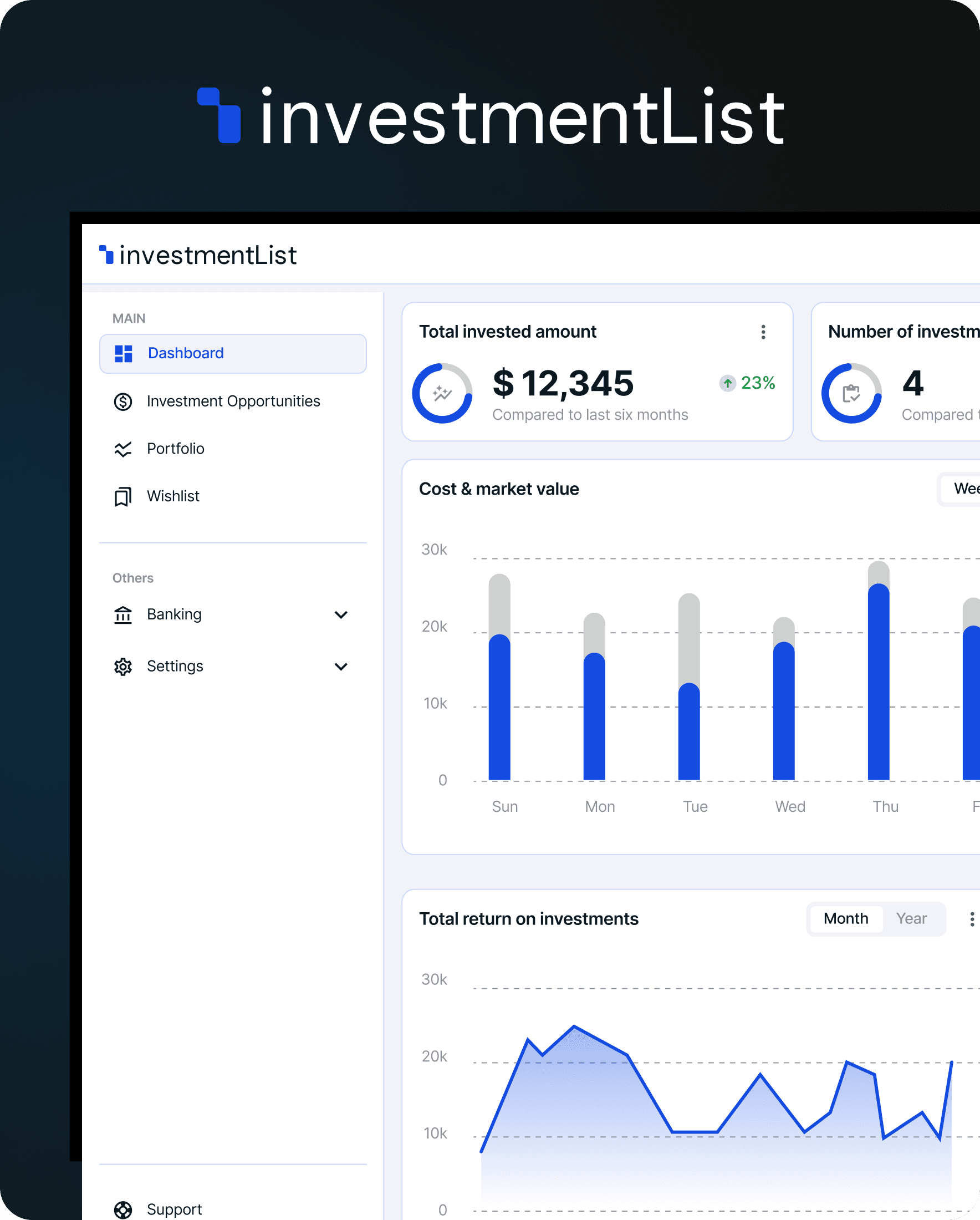
Investment List
Fintech
Fintech Web Platform for Investor Discovery
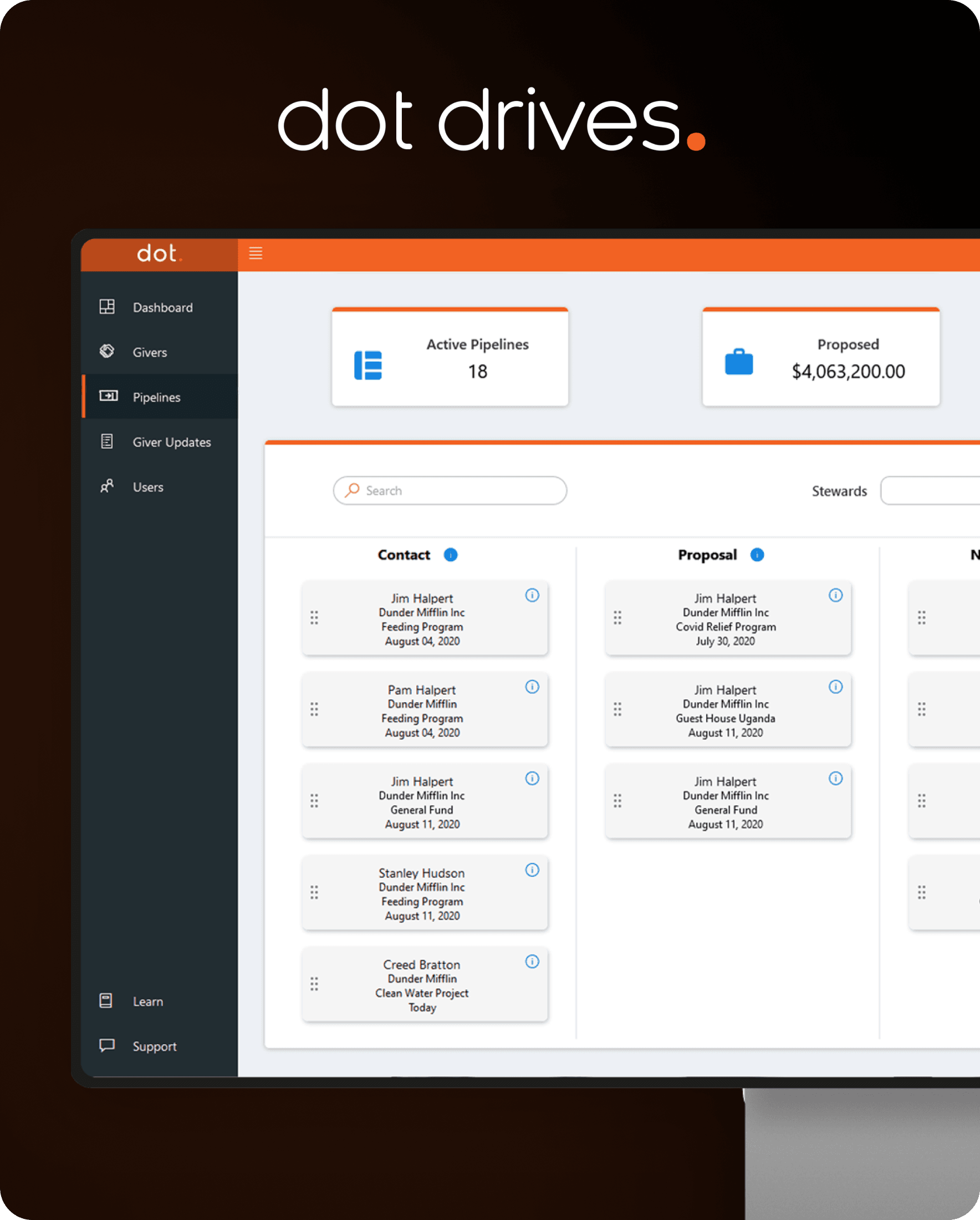
Dot Drive
Fintech
Fintech Web Product for Dot Drive
TeamBuilder
Healthcare
Healthcare SaaS for TeamBuilder
4.9 / 5
Average client rating across platforms
93%
Net Promoter Score
150%
Client retention rate
SOC 2
Type II certified
Four ways to work with us — from surgical staff augmentation to fully managed delivery. All models share the same senior-first talent bench.
Full-time engineers embedded in your team for long-running engagements.
Explore Dedicated Teams↗Add senior specialists to an existing team — vetted, onboarded, and up to speed in weeks.
Explore Staff Augmentation↗Managed fixed-scope projects with a committed timeline and deliverables.
Explore Project Delivery↗Fractional senior technical leadership for architecture, hiring, and strategy.
Explore Virtual CTO↗Why Codieshub
The shortlist we get asked about on every call — what actually separates Codieshub from a dev shop.
From dataset curation and training pipeline construction through evaluation, optimization, and production serving — we cover the full arc rather than handing off at the "working notebook" stage.
We fine-tune pre-trained foundation models (BERT, RoBERTa, Vision Transformers, LLaMA-based architectures) on your domain-specific datasets, capturing the performance gains of large-scale pretraining without the cost of training from scratch.
Quantization (INT8, FP16), TorchScript compilation, operator fusion, and batching strategies reduce inference latency and serving cost without meaningful accuracy degradation.
TorchServe, Triton Inference Server, or ONNX Runtime deployments on AWS SageMaker, GCP Vertex AI, or self-managed Kubernetes clusters with auto-scaling under variable load.
Every training run is logged in MLflow or Weights & Biases with hyperparameters, dataset versions, and evaluation metrics. You can reproduce any historical model and audit exactly what changed between versions.
Production models degrade as data distributions shift. We instrument serving pipelines to track input feature distributions and prediction confidence, and wire alerts to retraining workflows when drift exceeds defined thresholds.
Reviews

Lisa Dunbar
CEO · Paradigm Labs
Paradigm Labs case study→“They did an excellent job balancing scientific nuance with a user-friendly experience. It's clear they care about both rigor and design.”

Ryan Pamplin
CEO · Blendjet
Blendjet case study→“Managing global scale requires extreme technical precision. Codieshub re-architected our funnels to perform under massive pressure.”
Steve Gebhardt
Founder · RSVLTS
RSVLTS case study→“Our old setup crashed during every major drop until Codieshub built a beast of an engine for us. They handled our traffic spikes perfectly.”

Farid Huseynov
CEO · Kapital Bank
Kapital Bank case study→“Reliability and scalability are critical for us. They approached the engagement with a strong technical foundation and a clear process.”

Michael Ou
Founder · CoolBitX
CoolBitX case study→“Security and precision are non-negotiable for us. They demonstrated solid technical judgment, were open to feedback from our engineers, and iterated quickly.”

John Bradford
CEO · PetScreening
PetScreening case study→“An external team can be just as committed and driven as our internal one. Their dedication and attention to detail have made them invaluable.”

Oliver Dlouhy
CEO · Kiwi
Kiwi case study→“We move fast and deal with a lot of edge cases. They kept up without cutting corners, which is rare. The team stayed responsive across time zones.”

Davis Rosser
CEO & Co-founder · Elite Amenity
Elite Amenity case study→“The digital concierge we co-built is more than tech — it's a paradigm shift in resident experience. Luxury brands can now offer faster services.”

Vito Robles
COO · Percensys
Percensys case study→“They took feedback seriously, refined the details, and made sure our content and workflows were presented in a way that really works for our learners and admins.”
Enterprise-grade security and compliance across every engagement.
Nearshore teams that overlap with your working hours for real-time collaboration.
Near-perfect satisfaction scores across Clutch, DesignRush, and Manifest.
Process
Our engineers are not freelancers, and we are not a marketplace. Dedicated Codieshub seniors, seated with your team.
Before kickoff
Pre-kickoff technical and strategic review.
Before a single line of code, we sit with your team to align on stack, constraints, and what success looks like. Our VP Eng, CTO, and senior leads join — not a sales engineer.
Full review of your stack, goals, and constraints before kickoff
Session led by VP Eng, CTO, and the senior leads who'll staff the work
Architecture, tooling, and team shape agreed before the first sprint
Questions
The questions we get on every intro call — answered without the marketing gloss.
If you already have a trained model checkpoint, wrapping it in a production serving layer (FastAPI or TorchServe, containerized, with health checks, latency logging, and a load-tested deployment) typically takes two to four weeks depending on the complexity of the preprocessing pipeline and the target infrastructure. If we're also building the training pipeline and running fine-tuning from scratch, expect eight to sixteen weeks for a complete end-to-end engagement, depending on dataset size and the number of evaluation iterations needed.
Keep exploring