
InsightsHealthcare
Podiatry Software: AI Features & Development Guide 2026
Discover how AI-powered podiatry software improves diabetic foot care, wound analysis, and clinical outcomes in 2026.
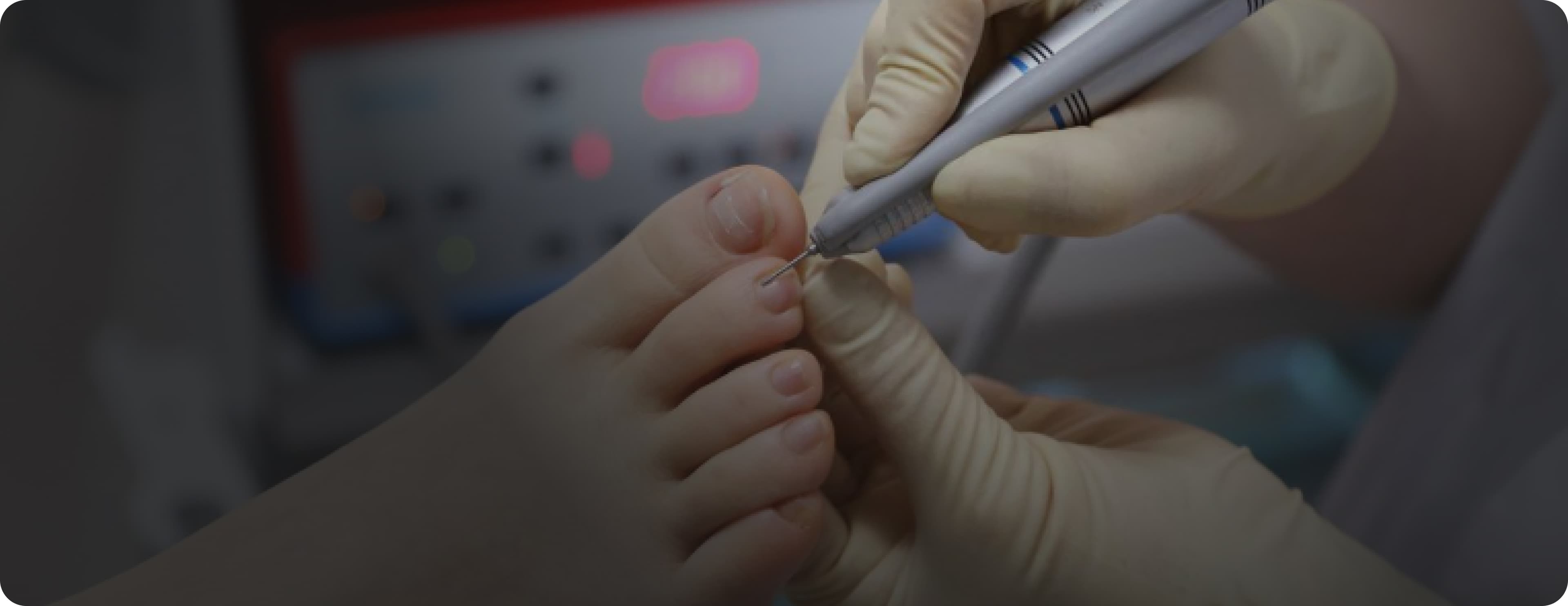
A podiatrist treating a diabetic patient with a Wagner Grade 2 ulcer has wound photos, lab results, medication history, and vascular data scattered across separate systems. What she lacks is a single view that shows whether the wound is healing, whether the patient is at risk of amputation, and what to do next.
Podiatry software powered by AI closes this gap. It connects clinical data into continuous intelligence, comparing wound photos across visits, flagging high-risk patients, supporting surgical planning, and improving billing accuracy.
In 2026, private practices, wound care centers, and diabetic limb salvage programs are using AI podiatry software to improve ulcer healing rates, prevent amputations, and strengthen clinical documentation. This guide covers the key features, clinical use cases, compliance requirements, tech stack, and development costs.
Key Takeaways
AI podiatry software uses computer vision, machine learning, and clinical decision support to analyze wound progression, predict diabetic foot ulcer outcomes, optimize treatment protocols, support surgical planning, and automate clinical documentation
Diabetic foot care is the highest-stakes clinical domain in podiatry 15% of diabetic patients develop foot ulcers, and 20% of those ulcers lead to amputation. AI wound analysis and risk stratification directly affect limb salvage outcomes
The highest-value AI use cases are AI wound image analysis and progression tracking, diabetic foot risk stratification, treatment protocol decision support, surgical planning assistance, and billing and coding optimization
HIPAA compliance is required; podiatry patient data, including wound photographs, diagnostic images, surgical records, and diabetic foot care documentation, is protected health information
Integration with EHR systems, wound care documentation platforms, diabetic care management systems, and radiology systems is the clinical data foundation that makes podiatry AI clinically meaningful rather than a standalone tool
FDA regulatory classification applies to AI tools that make diagnostic or therapeutic claims. AI wound analysis systems that classify wound severity or predict healing outcomes may require FDA clearance as Software as a Medical Device
Total development cost ranges from $60,000 for a focused diabetic foot care MVP to $450,000 or more for a full AI-powered podiatry management platform
What Is AI-Powered Podiatry Software?
AI-powered podiatry software is a clinical technology platform that uses artificial intelligence, computer vision, machine learning, natural language processing, and clinical decision support to support the diagnosis, treatment planning, documentation, and outcome monitoring of podiatric conditions across the full scope of podiatric medicine and surgery.
Podiatry manages an extraordinarily diverse clinical scope: diabetic foot ulcers, peripheral arterial disease, peripheral neuropathy, wound care and limb salvage, nail pathology, structural deformities including hallux valgus, hammertoes, flatfoot and cavus foot, sports injuries, pediatric foot conditions, dermatological conditions of the foot and ankle, and the full spectrum of podiatric surgery from simple nail procedures through complex reconstruction.
Traditional podiatry practice management software handles the operational mechanics: scheduling, billing, and basic EHR documentation. It does not provide the clinical intelligence layer that the complexity of podiatric medicine demands. It does not quantify wound healing progression from serial photographs. It does not flag the diabetic foot patient whose constellation of risk factors neuropathy, PAD, poor glycemic control, and wound depth predicts a high probability of treatment failure with conservative management. It does not analyze foot radiographs for the structural parameters that guide surgical planning decisions.
AI podiatry software adds this clinical intelligence layer, transforming the data that podiatrists generate in daily clinical practice into actionable insights that improve clinical decisions, improve patient outcomes, and reduce the administrative burden that consumes podiatric practice time without contributing to patient care.
Why Is AI Transforming Podiatry Practice in 2026?
Why Is Diabetic Foot Care the Highest-Stakes Podiatry Domain?
Diabetic foot disease is one of the most significant complications of diabetes, affecting 15% of the 37 million Americans with diabetes during their lifetime. Diabetic foot ulcers are the leading cause of non-traumatic lower extremity amputation in the United States, responsible for more than 130,000 amputations annually. The five-year mortality rate after a lower extremity amputation in diabetic patients exceeds 50%, worse than most common cancers.
These are not inevitable outcomes. Evidence consistently demonstrates that systematic, aggressive diabetic foot care, early risk stratification, wound management protocols guided by objective healing data, timely vascular referral, and patient education significantly reduce amputation rates. AI tools that provide the objective wound analysis, risk stratification intelligence, and treatment protocol guidance that systematic diabetic foot care requires directly affect limb salvage outcomes at a population scale.
How Is Wound Documentation Quality Affecting Reimbursement?
Wound care reimbursement under Medicare and commercial payers requires detailed documentation of wound dimensions, wound bed characteristics, periwound skin condition, treatment applied, and clinical rationale for the selected treatment. Documentation that is incomplete, inconsistent across visits, or fails to demonstrate medically necessary treatment progression is the primary driver of wound care claim denials and post-payment audits.
AI wound documentation tools that guide podiatrists through systematic wound assessment, capture quantified wound measurements from photographs, and generate documentation that meets coding requirements for wound care services significantly reduce the billing audit risk that inadequate wound documentation creates.
What Surgical Planning Challenges Does AI Address?
Podiatric surgical planning, particularly for complex reconstructive procedures including flatfoot reconstruction, cavus foot correction, Charcot foot reconstruction, and osteotomy planning for structural deformities, requires precise analysis of weight-bearing radiographs, CT scans, and pedobarographic data. The specific angular measurements, bone stock assessment, and deformity correction calculations that guide surgical planning decisions are time-consuming to perform manually and vary in consistency across practitioners.
AI surgical planning tools that perform automated radiographic measurement, calculate standard podiatric surgical planning parameters, and present surgical options with predicted correction outcomes support more consistent and more precisely planned podiatric surgical interventions.
How Does Administrative Burden Affect Podiatry Practice Economics?
Podiatry practices face significant administrative burden from prior authorization for wound care supplies and surgical procedures, documentation requirements for diabetic foot care services under Medicare's Therapeutic Shoe Bill provisions, coding complexity for wound care services that require documentation of specific clinical parameters to support billing level, and appeals management for claim denials.
AI administrative tools that automate prior authorization submissions, generate correctly coded wound care documentation, and support appeals with clinical evidence from wound progression records directly improve practice revenue cycle performance.
What Are the Key Clinical Use Cases for AI Podiatry Software?
AI Wound Image Analysis and Progression Tracking
Wound assessment in podiatry has historically relied on manual measurement, measuring wound length and width with a ruler, estimating wound depth with a probe, and documenting wound characteristics in free text. This approach is time-consuming, inconsistent across practitioners, and provides limited quantitative data for tracking wound healing trajectory over time.
AI wound image analysis uses computer vision to analyze wound photographs, automatically segmenting the wound from periwound tissue, calculating wound area and perimeter with pixel-level precision, classifying wound bed tissue composition (granulation tissue percentage, slough, necrosis, epithelialization), and comparing serial measurements across visits to generate quantitative healing trajectory data.
AI wound progression tracking that shows a podiatrist the wound healing curve, percentage area reduction per week over the past eight weeks, compared to the healing trajectory required for a 50% area reduction at four weeks, and predicts successful healing gives the podiatrist objective data to support the decision to continue or escalate the current treatment protocol.
Our AI and ML solutions team builds wound image analysis models with the clinical validation and dermoscopy-specific training data that podiatric wound care applications require, validated against clinical reference standards for wound measurement accuracy.
Diabetic Foot Risk Stratification and Ulcer Prevention
The International Working Group on the Diabetic Foot (IWGDF) risk classification system, which stratifies patients into risk categories 0 through 3 based on neuropathy, PAD, foot deformity, and prior ulceration history, is the evidence-based framework for diabetic foot surveillance intensity and preventive intervention. But systematic application of IWGDF risk classification across a diabetic patient panel requires comprehensive assessment of multiple risk factors at each relevant clinical encounter.
AI diabetic foot risk stratification tools analyze the complete risk factor profile for each diabetic patient neuropathy assessment results, ABI measurements, HbA1c trends, foot deformity documentation, and prior ulceration history to calculate IWGDF risk category automatically, identify patients who should be reclassified based on new clinical findings, and generate care plan recommendations aligned with the evidence-based care intensity appropriate for each risk category.
Population-level risk stratification across a diabetic patient panel, identifying all patients at elevated risk who are not receiving the surveillance frequency their risk category requires, enables proactive outreach and care gap closure that prevents ulceration in at-risk patients before an ulcer develops.
Treatment Protocol Decision Support for Diabetic Foot Ulcers
Diabetic foot ulcer management involves complex treatment protocol decisions, including appropriate debridement approach, wound dressing selection, offloading method, frequency of evaluation, and timing of escalation to advanced wound therapies, vascular referral, or surgical intervention. These decisions are guided by wound characteristics, patient systemic factors, and healing trajectory data that individually require clinical interpretation.
AI treatment protocol decision support tools synthesize wound characteristics from AI image analysis, patient systemic factors from the EHR (HbA1c, ABI, neuropathy severity, renal function, nutritional status), and wound healing trajectory data to generate treatment protocol recommendations aligned with evidence-based diabetic foot ulcer management guidelines, IWGDF guidelines, Wound Healing Society guidelines, and facility-specific protocols.
For podiatrists managing high-volume wound care practices, AI decision support that generates protocol recommendations does not replace clinical judgment — it structures and accelerates the clinical reasoning process and ensures that evidence-based factors are consistently considered at each visit.
Surgical Planning AI for Podiatric Procedures
Podiatric surgical planning, particularly for structural deformity correction and complex reconstruction, requires precise radiographic measurement. Standard podiatric radiographic measurements include the hallux abducto valgus angle, first intermetatarsal angle, proximal articular set angle, distal articular set angle, calcaneal inclination angle, Meary's angle for flatfoot assessment, and Hibbs angle for cavus foot assessment. These measurements guide osteotomy type and location selection, implant sizing, and expected correction magnitude.
AI surgical planning tools perform automated measurement of standard podiatric radiographic parameters from weight-bearing foot and ankle radiographs, presenting measurements with reference to normative ranges and surgical intervention thresholds. Surgical simulation tools that model the expected correction from specific osteotomy types enable pre-operative planning with predicted outcomes rather than estimating correction magnitude from clinical experience alone.
For complex Charcot foot reconstruction and flatfoot reconstruction where surgical planning errors have significant consequences for surgical outcomes AI-assisted planning that improves measurement precision and consistency reduces the planning variability that contributes to suboptimal surgical outcomes.
Peripheral Neuropathy Assessment Support
Peripheral neuropathy assessment in diabetic patients, the most important single risk factor for foot ulceration, requires systematic examination using standardized tools including Semmes-Weinstein monofilaments, vibration perception testing, and ankle reflex assessment. Documentation of neuropathy assessment findings in formats that support IWGDF risk classification requires structured data capture that free-text documentation does not consistently provide.
AI-guided neuropathy assessment tools that structure the examination process, capture findings in standardized formats, calculate severity scores from examination data, and integrate neuropathy severity into IWGDF risk classification ensure consistent, complete neuropathy assessment documentation across a high-volume diabetic foot patient panel.
Podiatric Billing and Coding Optimization
Podiatry billing is technically complex: wound care services require documentation of specific wound characteristics to support billing level determination, debridement coding depends on wound depth and tissue type, diabetic shoe fitting services require documentation of qualifying conditions, and routine foot care services in high-risk diabetic patients require documentation of the specific clinical conditions that establish medical necessity under Medicare's Class Findings criteria.
AI billing optimization tools analyze clinical documentation for coding accuracy, identifying wound care documentation that does not adequately support the billed service level, flagging routine foot care claims that lack adequate high-risk condition documentation, and generating coding suggestions based on documented clinical findings that maximize accurate reimbursement within the correct billing level.
Gait Analysis and Biomechanical Assessment Support
Gait analysis and pedobarographic pressure mapping, measuring the distribution of forces across the plantar surface during walking, is a valuable tool for biomechanical assessment, orthotic prescription optimization, and offloading device selection in high-risk diabetic patients. AI analysis of pedobarographic data identifies peak pressure locations, calculates pressure-time integral parameters associated with ulceration risk, and generates offloading recommendations based on pressure distribution patterns.
For custom orthotic prescription, AI biomechanical analysis tools that integrate pedobarographic data with structural assessment findings generate prescription recommendations that address the specific biomechanical abnormalities contributing to each patient's pressure distribution pattern.
Clinical Photography and Image Management
Wound care documentation requires serial clinical photography across multiple visits, tracking wound appearance over weeks or months of treatment. Managing clinical photographs, associating each image with the correct visit, the correct patient, the correct wound location, and the correct clinical context, creates administrative burden that is amplified across a high-volume wound care practice.
AI clinical image management tools automatically associate uploaded photographs with the correct patient and visit, tag images by anatomical location, compare sequential images for visual progression documentation, and generate image-inclusive wound care documentation that satisfies both clinical and billing documentation requirements.
What Are the Key Features of AI Podiatry Software?
AI Wound Analysis Engine
Computer vision-based wound image analysis: automated wound segmentation, area and perimeter calculation, tissue composition classification, and healing trajectory visualization integrated with the clinical documentation workflow so that wound measurements flow directly into visit documentation without manual transcription.
Wound analysis must be validated against clinical reference standards demonstrating that automated measurements are consistent with manual measurements by trained wound care practitioners before being used to support clinical decisions and billing documentation.
Diabetic Foot Risk Dashboard
A patient panel view showing IWGDF risk classification for all diabetic patients, last assessment date, risk factors contributing to current classification, recommended surveillance frequency, and outstanding risk factor assessment gaps, enabling population-level diabetic foot care management rather than reactive individual patient management.
Treatment Protocol Decision Support
Clinical decision support presenting evidence-based treatment protocol recommendations for each wound care visit based on wound characteristics from AI image analysis, patient systemic factors from the EHR, and wound healing trajectory from prior visit data. Protocol recommendations presented with supporting evidence citations and the specific clinical factors driving each recommendation.
Radiographic Measurement and Surgical Planning Tools
Automated measurement of standard podiatric radiographic parameters from uploaded weight-bearing radiographs presented with normative reference ranges and surgical threshold indicators. Surgical planning simulation tools for common podiatric procedures with predicted correction outcomes.
EHR Integration for Clinical Data Access
Real-time integration with the EHR for patient clinical data HbA1c, ABI results, neuropathy assessment findings, medication records, and laboratory values) gives AI clinical decision support access to the systemic context required for meaningful podiatric risk assessment and treatment recommendations.
Our EHR and EMR integration practice builds HL7 FHIR-based integrations with major EHR systems Epic, Athenahealth, eClinicalWorks, and Kareo that give AI podiatry tools the clinical context they need to generate meaningful clinical intelligence.
Billing Documentation Assistance
AI analysis of clinical documentation for coding accuracy, wound care billing level verification, debridement code support documentation check, diabetic shoe fitting documentation completeness, and routine foot care medical necessity documentation for high-risk patients.
Our healthcare UI/UX design team designs billing documentation interfaces tested with real podiatric billing specialists and podiatrists because billing assistance tools that interrupt clinical workflow rather than integrating with it will not achieve consistent adoption in high-volume practices.
Pedobarographic Analysis Integration
Integration with plantar pressure measurement systems Tekscan, Novel, RSscan for AI analysis of pressure distribution data. Automated identification of high-pressure zones, calculation of pressure-time integral parameters, and generation of offloading and orthotic prescription recommendations based on pressure pattern analysis.
Clinical Photography Workflow
Integrated clinical photography capture using a mobile device camera with wound measurement calibration markers, AI image management that associates photographs with the correct patient, visit, and wound location, and wound progression visualization that presents serial photographs in a timeline format.
Our healthcare mobile app development team builds podiatry clinical photography mobile applications tested in realistic clinical wound care environments with the one-handed operation capability and glove-compatible interface that wound care clinical settings require.
HIPAA-Compliant Data Architecture
Podiatry patient data, wound photographs, diabetic foot assessment records, surgical planning images, and clinical documentation are protected health information. Wound photographs are particularly sensitive PHI that requires encrypted storage, restricted access, and specific retention management.
Our HIPAA-compliant software development practice builds the compliance architecture appropriate for podiatry software that handles wound photographs and comprehensive diabetic foot care clinical records.
Analytics and Outcome Reporting
Practice-level analytics showing wound healing rates by wound type and treatment protocol, diabetic foot amputation prevention outcomes, surgical outcome tracking, and patient population risk distribution, providing the outcome data that value-based care programs, hospital partnerships, and quality improvement programs require.
How to Build AI Podiatry Software: Step by Step
Step 1: Define the Clinical Scope and Target Practice Type
Building AI podiatry software begins with defining the specific clinical scope diabetic foot care focus, wound care center deployment, surgical planning support, general podiatric practice management, or multi-specialty diabetic limb salvage program and the target practice type and size.
A high-volume wound care center has different priority use cases than a private podiatric surgical practice, a diabetic limb salvage program within a health system, or a multi-provider podiatry group with diverse patient populations. Define the priority AI capabilities based on where clinical intelligence gaps most directly affect patient outcomes and practice performance.
Step 2: Determine FDA Regulatory Classification
Before any AI development begins, determine whether the AI podiatry tools require FDA clearance as Software as a Medical Device. AI wound analysis tools that classify wound severity, predict healing outcomes, or make therapeutic recommendations may be regulated as SaMD. AI tools that provide clinical documentation assistance, billing support, or general data visualization without making specific diagnostic or therapeutic claims may fall outside FDA jurisdiction.
This determination requires regulatory counsel assessment based on the specific intended use claims. FDA classification determination before development prevents the expensive discovery of regulatory requirements after clinical AI features are built.
Our MVP and product strategy process addresses FDA regulatory classification as a core discovery phase component for every podiatry AI project.
Step 3: Audit Existing Clinical Data and Image Archives
Audit available clinical data for AI model development: historical wound photographs with outcome data for wound analysis model training; diabetic patient population data with IWGDF risk factor documentation for risk stratification model development; surgical planning radiographs with surgical outcome data for planning assistance validation.
For wound image analysis models, specifically the most technically demanding AI component in podiatry software, the training dataset requires annotated wound photographs with expert clinician-labeled wound characteristics and longitudinal outcome data. Assess whether adequate training data is available or whether data acquisition partnerships with wound care centers are required.
Step 4: Run a Discovery Sprint
A structured discovery process validates the technical approach, defines the EHR integration architecture, addresses FDA regulatory classification, designs the wound image analysis model development approach, and produces a validated development plan before engineering resources are committed.
For AI podiatry software where wound image analysis model validation, FDA regulatory classification, EHR integration for systemic clinical context, and HIPAA compliance for wound photographs are all decisions with significant downstream implications, the discovery phase is the highest-leverage investment in the project.
Step 5: Build the EHR Integration Layer
Build HL7 FHIR-based EHR integration accessing the patient clinical data that AI podiatry tools require. Specific data elements include HbA1c and glucose trend data, ABI and vascular assessment results, neuropathy assessment findings, current medications, laboratory values including CBC and metabolic panel, and prior podiatric procedure records.
Data minimization, accessing the minimum clinical information necessary for each specific AI function, is both a HIPAA compliance requirement and an integration design principle that reduces the complexity of EHR integration without compromising clinical intelligence quality.
Step 6: Develop the Wound Image Analysis AI
Build and train the wound image analysis computer vision models for wound boundary segmentation, tissue composition classification, area and perimeter calculation, and healing trajectory analysis. This is the most technically demanding AI component in podiatry software and requires the most extensive clinical validation.
Training data must include wound photographs from the target wound types (diabetic foot ulcers, venous leg ulcers, pressure injuries, surgical wounds) with expert clinician annotations of wound characteristics and longitudinal outcome data. Model validation must demonstrate measurement accuracy against clinical reference standards.
Step 7: Develop Diabetic Foot Risk Stratification Models
Build the diabetic foot risk stratification system integrating IWGDF risk classification logic with data extraction from EHR clinical findings to automate risk category assignment and generate care plan recommendations appropriate to each risk level. Validate risk classification accuracy against expert podiatrist assessment.
Step 8: Build Treatment Protocol Decision Support
Build the treatment protocol decision support engine synthesizing wound characteristics from AI image analysis, patient systemic factors from EHR integration, and wound healing trajectory from prior visit data to generate protocol recommendations aligned with IWGDF and evidence-based wound care guidelines. Build the clinical interface that presents recommendations with supporting evidence and the specific clinical factors driving each recommendation.
Step 9: Build Surgical Planning Tools
Build the radiographic measurement system for automated measurement of standard podiatric radiographic parameters from uploaded weight-bearing images. Build the surgical planning interface presenting measurements with normative reference ranges and surgical simulation tools for common podiatric procedures.
Step 10: Build Billing Documentation Assistance
Build the billing documentation analysis tools: clinical documentation review for wound care billing level support, debridement code documentation check, and diabetic foot care medical necessity documentation completeness verification. Build the documentation gap alert interface that guides podiatrists through documentation requirements before claim submission.
Step 11: Implement HIPAA Compliance Architecture
Build the full HIPAA compliance architecture: encrypted storage for wound photographs and clinical image data, role-based access controls for clinical staff roles, comprehensive audit logging of all patient data access, and Business Associate Agreements with all third-party services. Pay specific attention to wound photograph retention policies; clinical wound photographs are high-sensitivity PHI that requires specific access controls and retention management beyond standard clinical documentation.
Step 12: Design the Clinical Interface
Build the podiatrist-facing clinical interface wound assessment workflow, diabetic foot risk dashboard, treatment protocol decision support, surgical planning tools, and billing documentation assistance designed for integration with the podiatry clinical visit workflow rather than as a parallel system requiring separate data entry.
Test the clinical interface with real podiatrists in realistic clinical workflow conditions, including the time pressure of high-volume wound care visits where each documentation step must be fast and intuitive.
Step 13: Conduct Clinical Validation and Pilot
Conduct clinical validation of wound image analysis accuracy, risk stratification performance, and treatment protocol recommendation appropriateness. Deploy in a structured pilot with specific outcome metrics: wound healing rate, amputation prevention rate, documentation completeness, billing accuracy, and podiatrist workflow satisfaction. Use pilot data to refine AI models and workflow design before broader deployment.
Our DevOps and cloud solutions team builds the deployment infrastructure, wound analysis model monitoring, and clinical outcome tracking that keeps AI podiatry software clinically accurate as wound care evidence and treatment protocols evolve.
What Technology Powers AI Podiatry Software?
Computer Vision for Wound Analysis
PyTorch is the primary deep learning framework for wound image analysis model development. For wound segmentation, identifying the wound boundary from periwound tissue in clinical photographs U-Net and DeepLabV3+ architectures provide the semantic segmentation performance required for accurate wound boundary delineation in the variable lighting and camera angle conditions of clinical photography.
For wound tissue composition classification, classifying granulation tissue, slough, necrosis, and epithelialization within the wound bed, multi-class semantic segmentation models trained on expert-annotated wound photographs provide the tissue type percentage calculations that wound care documentation requires.
For wound healing trajectory modeling, predicting healing outcomes from serial wound measurement data and patient systemic factors, mixed-effects models that account for inter-patient variability in healing rates provide statistically appropriate trajectory modeling with meaningful uncertainty quantification.
Wound photograph preprocessing, color normalization for variable clinical lighting conditions, perspective correction for camera angle variation, and wound measurement calibration using reference markers are essential for consistent AI analysis results across the variable image quality of real-world clinical photography.
Radiographic Analysis
For podiatric radiographic measurement, automated measurement of standard angular parameters from weight-bearing foot and ankle radiographs, using landmark detection models that identify anatomical reference points followed by geometric calculation of standard angular measurements, provides measurement consistency across the variability of clinical radiographic technique.
PyTorch with torchvision provides the object detection and landmark detection infrastructure. Transfer learning from large medical image pre-trained models (MONAI, Med-ImageNet) reduces the labeled training data requirement for podiatric-specific models.
Backend Infrastructure
Python with FastAPI for the primary API layer. PostgreSQL for structured patient and clinical data. AWS S3 with HIPAA-eligible configuration and server-side encryption for wound photograph and clinical image storage. TimescaleDB for time-series wound measurement and healing trajectory data. Redis for clinical dashboard caching and real-time alert management.
EHR Integration
HL7 FHIR R4 for EHR integration, specifically Observation for laboratory and assessment data, Condition for diagnostic data, Medication Request for medication records, Patient for demographics, Procedure for surgical history, and Diagnostic Report for imaging results. Practice management system integrations use system-specific REST APIs for major podiatric practice management platforms: Podiatry Growth, Practice Fusion, Kareo, Advanced MD.
Cloud Infrastructure
AWS with a HIPAA Business Associate Agreement. Amazon S3 with server-side encryption for wound photograph storage with fine-grained access control. Amazon RDS PostgreSQL for HIPAA-eligible structured patient data. Amazon SageMaker for wound analysis model training and serving. AWS CloudTrail for comprehensive HIPAA audit logging.
What Are the HIPAA Compliance Requirements for Podiatry Software?
What Makes Wound Photographs Particularly Sensitive PHI?
Wound photographs in podiatric practice are protected health information; they directly depict patient anatomy linked to clinical records and constitute among the more sensitive categories of PHI because of their personal and potentially stigmatizing content. Diabetic foot wound photographs specifically often capture conditions that patients find deeply distressing, and that carry significant stigma implications.
HIPAA requires encrypted storage for all wound photographs at rest (AES-256) and in transit (TLS 1.2 or higher). Access controls must restrict wound photograph access to the treating podiatrist, authorized clinical staff involved in the patient's care, and billing staff with documented need-to-access for specific billing-related review. Access by AI systems for model training purposes requires appropriate HIPAA authorization or de-identification that satisfies HIPAA's de-identification standards.
What Are the Retention Requirements for Wound Care Records?
Federal law (HIPAA) does not specify medical record retention periods; these are governed by state medical record retention laws, which vary by state and typically range from seven to ten years for adult medical records. Wound care photographs as part of the clinical record are subject to the same retention requirements as other medical records. The retention management system must enforce retention schedules technically, not just as policy documentation, and must provide secure deletion of records that have exceeded their required retention period.
What AI Training Data Considerations Apply?
Using wound photographs from clinical records for AI model training requires either patient authorization under HIPAA or de-identification of photographs that meets HIPAA's Safe Harbor or Expert Determination de-identification standards. Wound photographs that include facial features or other directly identifying characteristics require specific de-identification treatment. Photographs that are de-identified for training purposes cannot subsequently be re-identified; the de-identification must be robust and documented.
What Are the Common Mistakes to Avoid When Building AI Podiatry Software?
1. Building Wound Analysis AI Without Adequate Training Data
Wound image analysis models require thousands of expert-annotated wound photographs spanning the range of wound types, wound stages, lighting conditions, and camera angles encountered in real clinical photography. Models trained on inadequate datasets too few images, insufficient wound type diversity, and non-representative demographic coverage produce measurement errors that undermine clinical trust and potentially patient safety. Training data adequacy assessment before model development begins is essential.
2. FDA Classification After Development Instead of Before
Wound analysis AI that classifies wound severity, predicts healing outcomes, or makes therapeutic recommendations may require FDA clearance as Software as a Medical Device. Discovering this regulatory requirement after a clinically sophisticated wound analysis system is built creates the expensive choice between rebuilding the system to avoid regulated claims or pursuing FDA clearance for an already-built product. Regulatory classification before development is not optional.
3. No Clinical Validation Against Reference Standards
Wound measurement AI that has not been validated against clinical reference standards manual measurement by trained wound care practitioners or gold-standard measurement tools may produce measurements that are precise (consistent) but inaccurate (systematically wrong). Using inaccurate wound measurements to document wound healing progression creates both clinical decision risk and billing documentation risk. Clinical validation is not regulatory compliance overhead; it is the quality assurance that makes AI wound analysis clinically safe to use.
4. Wound Documentation Tool Designed for Desktop Only
Podiatric wound care often occurs in clinical environments where desktop workstation access is impractical in examination rooms, at bedside in skilled nursing facilities, or during home health visits. Wound documentation tools that are desktop-only create workflow disruption that reduces adoption in precisely the clinical settings where consistent wound documentation has the highest clinical value. Mobile-first design with offline capability is essential for wound care documentation tools.
5. Billing Optimization Without Clinical Documentation Integration
Billing optimization tools that analyze documentation and suggest billing codes without integrating with the clinical documentation workflow require podiatrists to complete documentation in the EHR and then review billing suggestions in a separate tool, adding administrative burden rather than reducing it. Billing optimization integrated directly into the clinical documentation workflow, generating billing suggestions as documentation is completed, delivers operational value that separate billing review tools do not.
6. Ignoring the Multi-Disciplinary Nature of Diabetic Limb Salvage
Diabetic foot ulcer management in complex cases is a multi-disciplinary effort podiatrist, vascular surgeon, infectious disease, endocrinology, wound care nursing, orthotics and prosthetics. AI podiatry software that operates as a standalone podiatry tool without clinical communication and data sharing with other disciplines in the diabetic limb salvage team provides incomplete clinical intelligence for the most complex and highest-stakes patients. Multi-disciplinary care coordination features are essential for platforms targeting diabetic limb salvage programs.
How Does Codieshub Build AI Podiatry Software?
At Codieshub, we build AI podiatry software for podiatric practices, wound care centers, diabetic limb salvage programs, and health tech companies that need clinical-grade podiatry platforms with the wound image analysis accuracy, diabetic foot risk stratification quality, surgical planning precision, and HIPAA compliance that podiatric clinical complexity demands.
Every engagement begins with our MVP and product strategy process, which addresses clinical scope definition, FDA regulatory classification, wound analysis training data strategy, EHR integration architecture, HIPAA compliance for wound photographs, billing documentation requirements, and clinical validation study design before production code is written.
Our AI and ML solutions team builds wound image analysis models validated against clinical reference standards, diabetic foot risk stratification systems aligned with IWGDF guidelines, treatment protocol decision support engines grounded in current evidence, radiographic measurement tools validated against expert podiatric measurement, and pedobarographic analysis systems calibrated for podiatric clinical decision-making with clinical validation documentation and model performance monitoring built in from the beginning.
Our EHR and EMR integration team builds HL7 FHIR-based integrations that give AI podiatry tools access to the systemic clinical context HbA1c, ABI, neuropathy data, medications — that meaningful podiatric risk assessment requires. Our healthcare mobile app development team builds wound care clinical photography applications tested with real wound care practitioners in realistic clinical environments.
Our healthcare UI/UX design team designs podiatrist clinical interfaces, diabetic foot risk dashboards, and billing documentation tools tested with real podiatrists in realistic clinical workflow conditions. Our HIPAA-compliant software development practice ensures full compliance, including the specific requirements for wound photograph storage and access. Our DevOps and cloud solutions team builds the deployment infrastructure, wound analysis model monitoring, and clinical outcome tracking that keeps AI podiatry software accurate as wound care evidence and podiatric practice standards evolve.
Conclusion
Podiatry is a specialty where technology has the potential to change outcomes that matter at a deeply human level. The 130,000 lower extremity amputations that occur annually in the United States because of diabetic foot disease are not inevitable. They are the endpoint of a disease trajectory that, if identified early, managed systematically, and treated with the right protocol at the right time, can consistently be prevented.
AI podiatry software provides the clinical intelligence infrastructure for systematic diabetic foot care: objective wound analysis that quantifies healing progress, risk stratification that identifies at-risk patients before ulcers develop, treatment protocol guidance that ensures evidence-based decisions at every wound care visit, and outcome data that demonstrates the value of systematic podiatric care to health systems, payers, and value-based care programs.
Beyond diabetic foot care, AI podiatry software improves surgical planning precision, billing accuracy, administrative efficiency, and the clinical documentation quality that supports both regulatory compliance and continuity of care. These are operational improvements with measurable practice economics implications. But the diabetic foot care outcomes are what make AI podiatry software genuinely important, not for practice efficiency, but for the patients who keep their feet.
At Codieshub, we build AI podiatry software for podiatric practices, wound care centers, and health tech companies that want to build clinical tools that genuinely improve outcomes with the wound analysis accuracy, clinical data integration, regulatory compliance, and podiatric domain expertise that this specialty demands.
Ready to build AI podiatry software that improves diabetic foot outcomes and practice performance? Schedule a Discovery Call. Tell us about your clinical scope and practice context, and we will send you a tailored development and compliance game plan within 48 hours.
Frequently Asked Questions
1. What Is AI-Powered Podiatry Software?
AI-powered podiatry software uses computer vision and machine learning to measure wounds from photos, track healing progress, stratify diabetic foot patients by IWGDF risk, support treatment decisions, assist surgical planning, and improve billing documentation accuracy. It turns podiatric clinical data into continuous intelligence for better diabetic foot outcomes.
2. How Does AI Wound Image Analysis Work in Podiatry Software?
Computer vision models use semantic segmentation to separate wound boundaries from surrounding tissue, calculate area and perimeter precisely, and classify tissue as granulation, slough, necrosis, or epithelialization. Comparing serial photos across visits produces objective healing trajectories, replacing manual ruler measurements with consistent, reproducible, quantified assessment.
3. Does Podiatry Software Need to Be HIPAA Compliant?
Yes. Podiatry data, including wound photographs, diabetic foot assessments, surgical planning images, and clinical documentation, is protected health information. Wound photos need encrypted storage, restricted access, retention management, and authorization for AI training use. HIPAA architecture must be built in from the start, not retrofitted.
4. Does AI Wound Analysis Software Require FDA Clearance?
It depends on intended use. Tools that classify wound severity, predict healing outcomes, or recommend therapies may be regulated as Software as a Medical Device requiring FDA clearance. Tools limited to measurement documentation and data organization may fall outside FDA jurisdiction. Consult regulatory counsel before development.
5. How Does AI Improve Diabetic Foot Risk Stratification in Podiatry?
AI analyzes each diabetic patient's IWGDF risk factors, including neuropathy results, ABI measurements, HbA1c trends, foot deformities, and prior ulceration, to automate risk category assignment across the whole panel. It flags patients missing recommended surveillance frequency, enabling proactive care gap closure that prevents ulceration.
6. How Does AI Billing Documentation Assistance Work for Podiatry?
AI reviews documentation for coding accuracy before submission. It verifies wound care notes support the billed service level, debridement documentation includes wound depth and tissue type, diabetic shoe fitting records are complete, and routine foot care claims include Medicare Class Findings. Gaps are caught early, not in audits.
7. How Long Does It Take to Build AI Podiatry Software?
A focused MVP with wound image analysis, diabetic foot risk stratification, and EHR integration takes four to eight months. A mid-level platform adding decision support and billing assistance takes eight to sixteen months. A full enterprise platform with surgical planning and FDA preparation takes sixteen to thirty months.
8. How Much Does AI Podiatry Software Cost to Build?
A focused MVP costs $60,000 to $130,000. A mid-level platform costs $130,000 to $280,000. A full enterprise platform costs $280,000 to $450,000 or more. Annual maintenance runs $35,000 to $95,000. Key cost drivers include wound analysis model validation, FDA preparation, EHR integration scope, HIPAA-compliant photo storage, and surgical planning.